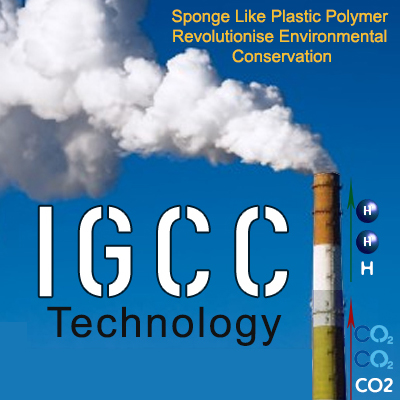
Advancements in Sustainable Plastics Packaging

Introduction
In recent years, the global concern for environmental sustainability has led to a paradigm shift in various industries, including the packaging sector. Plastics, once synonymous with environmental degradation, are now undergoing a transformative phase with advancements in sustainable plastics packaging. This shift is driven by the urgent need to address plastic pollution, reduce carbon footprints, and create a more circular economy. In this article, we explore the latest innovations and advancements that are shaping the future of sustainable plastics packaging.
Biodegradable Plastics
One of the significant breakthroughs in sustainable plastics packaging is the development of biodegradable plastics. Traditional plastics can take hundreds of years to decompose, leading to severe environmental consequences. Biodegradable plastics, on the other hand, are designed to break down naturally, reducing their impact on ecosystems. These plastics are often derived from renewable resources such as cornstarch, sugarcane, or even algae.
Researchers and companies are continuously working on enhancing the performance and scalability of biodegradable plastics. Some biodegradable plastics now exhibit comparable strength and durability to traditional counterparts, making them suitable for a wide range of packaging applications. As technology advances, the cost-effectiveness of producing biodegradable plastics is also improving, making them more accessible to businesses looking to adopt sustainable packaging solutions.
Recyclable Plastics
While biodegradable plastics offer a promising solution, recyclable plastics remain a cornerstone in the quest for sustainability. Traditional plastics can be recycled, but the process is often complex, and certain types of plastics are challenging to recycle efficiently. Advancements in recyclable plastics focus on improving the recyclability of various plastic types and developing innovative recycling technologies.
One notable development is the rise of monomaterial packaging. Monomaterial packaging involves using a single type of plastic throughout the packaging, making it easier to recycle. This simplification enhances the efficiency of recycling processes and promotes the creation of a more circular economy. Companies are increasingly adopting monomaterial packaging for their products, reducing the environmental impact of packaging waste.
Furthermore, advancements in recycling technologies, such as chemical recycling, are gaining traction. Chemical recycling processes break down plastics into their original building blocks, allowing for the creation of new plastic products without the loss of material quality. This approach holds the potential to recycle a broader range of plastics, including those traditionally considered difficult to recycle.
Plant-Based Plastics
Plant-based or bio-based plastics represent another avenue for sustainable plastics packaging. These plastics are derived from renewable resources like sugarcane, corn, or other plant-based feedstocks. Unlike traditional plastics, which rely on fossil fuels, plant-based plastics help reduce the carbon footprint associated with plastic production.
One key advantage of plant-based plastics is their potential to be produced on a large scale without competing with food crops. Researchers are exploring the use of non-food crops and agricultural waste as feedstocks for bio-based plastics, ensuring that the production process is sustainable and does not compromise food security.
The adoption of plant-based plastics by major companies is a clear indicator of the industry's commitment to sustainability. Many companies are incorporating plant-based plastics into their packaging, offering consumers environmentally friendly alternatives without sacrificing functionality or convenience.
Smart Packaging Solutions
Advancements in sustainable plastics packaging go beyond the materials themselves. Smart packaging solutions are emerging as a powerful tool to reduce waste and enhance the overall sustainability of packaging. Smart packaging involves incorporating technology to improve the functionality, efficiency, and environmental impact of packaging.
One example is the development of intelligent labels and sensors that can monitor the freshness of food products. These technologies help reduce food waste by providing real-time information on the condition of the packaged items, enabling consumers to make informed decisions about their purchases. Additionally, smart packaging can include features like temperature-sensitive labels, ensuring that perishable goods are stored and transported under optimal conditions.
The integration of smart packaging technologies also extends to traceability and authentication. Blockchain technology, for instance, can be utilized to create transparent and traceable supply chains, allowing consumers to verify the authenticity and sustainability of the products they purchase. This transparency fosters trust and accountability in the industry, encouraging companies to adopt more sustainable practices.
Collaborative Initiatives and Regulations
The journey towards sustainable plastics packaging is not one that businesses can embark on alone. Collaborative initiatives involving industry stakeholders, government bodies, and non-governmental organizations play a crucial role in driving change. Many companies are joining forces to create industry-wide initiatives aimed at finding innovative solutions and setting ambitious sustainability goals.
Government regulations and policies are also instrumental in shaping the landscape of sustainable plastics packaging. Increased awareness of environmental issues has prompted governments worldwide to implement stricter regulations on plastic production, use, and disposal. These regulations are pushing companies to reevaluate their packaging strategies and invest in sustainable alternatives to comply with evolving legal requirements.
Conclusion
Advancements in sustainable plastics packaging are at the forefront of efforts to mitigate the environmental impact of plastic waste. From biodegradable and recyclable plastics to plant-based alternatives and smart packaging solutions, the industry is witnessing a transformation towards more eco-friendly practices. The collaboration of industry players, coupled with supportive government regulations, is accelerating the adoption of sustainable packaging solutions. As consumers become increasingly conscious of their environmental footprint, the demand for sustainable plastics packaging is expected to grow, driving further innovations in the quest for a greener and more sustainable future.
 Media Pack Download
  Newsletters
  Industrial Events