EPR for Plastic Manufacturers: Navigating New Rules and Responsibilities
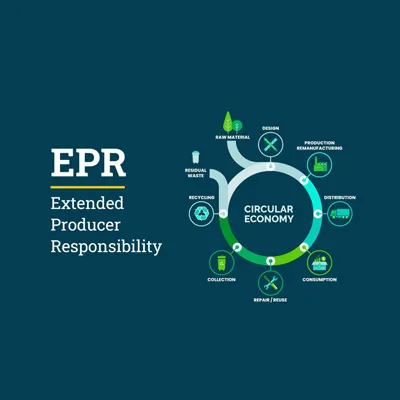
Understanding Extended Producer Responsibility (EPR)
Manufacturers operate under Extended Producer Responsibility (EPR) as their essential operational framework to manage plastic production because sustainability demands have risen in modern market requirements. What impact does this change bring to businesses that make their profits from plastic manufacturing? Raw materials manufacturers need guidelines to comply with shifting regulations so they can maintain their earnings. Under the concept of EPR manufacturers become responsible for handling disposal of their products after consumer use under an opposite model of “produce, use, and discard.”
The Impact of EPR on Plastic Manufacturers
Plastic manufacturing industries face a decision point because of modern international rules and changed market demands from consumers. Do manufacturers handle regulations as minimum requirements or do they transform these requirements into possibilities for product and industry standard redefinition? The current market environment has compelled numerous businesses to reevaluate their supply networks together with their waste handling systems and material selection processes. These emerging responsibilities will modify the forthcoming direction of plastic manufacturing industry development.
EPR policies have started to take effect around the world because they move the obligation to manage plastic waste management from government bodies to the original product producers. Manufacturers now have full legal responsibility to handle plastic product waste through collection and proper recycling and sustainable disposal methods. The process of following regulations appears simplistic to begin with. Multiple companies face difficulties understanding the multiple laws regulating EPR which exist between different geographical locations. The regulatory standards that work in Europe differ from those used in North American territories and Asian markets. The multiple layers of complexity surrounding EPR laws creates doubts about related expenses together with regulatory implementation difficulties and the importance of technological solutions to reduce burden.
Challenges in Implementing EPR
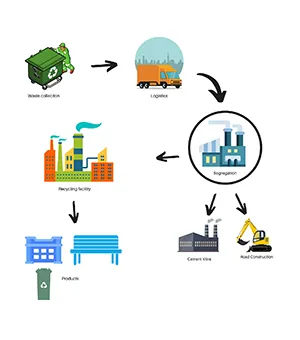
The primary challenge now is to establish methods through which manufacturers can implement recycling within their current business frameworks. Which is the best recycling strategy for manufacturers: self-operation of facilities, working with other companies or moving toward environmentally friendly materials? The several different alternatives present their specific advantages and difficulties.
Another aspect of EPR that is gaining traction is the concept of a circular economy. Unlike the traditional take-make-waste model, a circular economy focuses on designing products with recyclability in mind.
Public debate intensifies about the effectiveness of EPR because it moves waste management duties between entities instead of genuinely resolving plastic waste issues. The requirement of waste management for manufacturers will determine if they choose cost-saving measures instead of authentic sustainable practices. This potential situation shows signs of rising greenwashing where companies demonstrate false environmental commitment while doing minimal substantial alteration. Openness together with accountability must be established throughout the EPR implementation process.
Competitive Advantage through EPR Compliance
Organizations leveraging EPR before regulatory requirements activate will probably develop advantages over their competitors because of their forward thinking. People have developed greater concern about environmental issues so brands that show true dedication to sustainability gain their preference. The fulfillment of EPR requirements might develop into a competitive marketing opportunity for companies. A few enterprises utilize their sustainable practice initiatives to create customer loyalty through attracting customers who prioritize environmental protection. Organizations that show strong commitment to plastic waste responsibility will differentiate themselves because sustainability demands are now determining consumer purchasing choices.
The Role of Technology in EPR Compliance
EPR regulations become possible to meet through the essential contributions of technological advancements in manufacturing operations. New technological innovations based on AI and blockchain have transformed waste tracking for businesses which make it simpler to fulfill EPR requirements. Manufacturers need to decide whether they will spend their resources on implementing these new technologies. Manufacturers face a potential challenge since new system implementation costs remain high at first but eventually produce substantial advantages by enhancing operation efficiency while respecting regulations and securing customer loyalty.
Transitioning to a Circular Economy
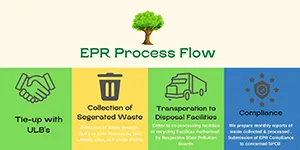
The EPR concept now experiences increased acceptance because of circular economy principles. Items in a circular economy system require design elements to enable dynamic recycling cycles instead of repeat waste creation through take-make-waste.
Manufacturers should direct their manufacturing efforts toward making recyclable plastics available to the market. The development of biodegradable plastics along with different polymers might provide sustainable solutions for production. Various businesses test plant-based plastics along with chemical recycling but implementing these methods across industry stays challenging.
The plastic industry may obtain its necessary transformative push from EPR even though implementation remains complicated. The manufacturing sector should position regulations as a catalyst to transform their entire production process and waste management system for plastics. Strategic companies lead the industry in developing new package designs and lowering plastic amounts in their products while creating return systems for proper recycling of their plastic products. Such expanded initiatives show promise to decrease massively the quantity of plastic waste that ends up in landfills and oceans.
Government Regulations and Industry Collaboration
Several governments together with regulatory agencies have intensified their actions to implement EPR compliance rules. Businesses must beware that new substantial consequences will follow anyone who breaks environmental guidelines since plastic manufacturing without control is now over. Does the implementation of laws provide an adequate solution to promote environmental progress? A password-protected recycling ecosystem can be established by intensifying the communication and work relationships between makers and waste operators and government officials. Multiple authorities in the industry maintain that only unified action will lead to genuine success of EPR.
The Future of EPR in Plastic Manufacturing
Plastic manufacturers face incredibly challenging times in their future operations. Business organizations need to implement a fundamental alteration toward understanding their product environmental footprint responsibilities. By embracing EPR early brand leaders can receive better reputations along with regulatory simplification and sustainable outcomes. Businesses that oppose change could experience noteworthy hazards in this situation. Manufacturers should they decide to demonstrate responsibility before regulatory requirements pressure them to act?
Plastic production faces transformative changes through EPR which emerges as the essential core for this transformation. Production companies need to start their actions immediately. Manufacturers must determine whether they will accept transformation or remain stagnant in order to avoid becoming obsolete.
 Media Pack Download
 Newsletters
 Industrial Events