Smart Energy Management Systems in Modern Plastic Processing Plants
If you spend even a single day inside a plastic processing unit, one thing stands out—energy is everywhere. Every machine, every cycle, every shift depends on it. But what’s interesting is that most plants don’t actually know where a large chunk of that energy goes.
They know the total bill, of course. Finance tracks that closely. But ask someone on the floor how much energy a specific extrusion line used yesterday, or whether one injection molding machine is consuming more power than another for the same job—you’ll usually get an estimate, not a clear answer.
That gap is exactly why Energy Management in Plastic Processing is getting so much attention now.
It Didn’t Use to Be This Way
A few years ago, energy wasn’t something people worried about daily. As long as production targets were met, things were considered fine. Machines ran, output was stable, and that was enough.
But things changed.
Electricity costs went up. Margins tightened. And then sustainability entered the conversation—not just as a branding exercise, but as something customers and regulators started asking real questions about.
Now suddenly, sustainable plastics manufacturing isn’t optional. It’s tied to business credibility.
And energy sits right at the center of that conversation.
Where Smart Systems Start Making Sense
Most plants already have decent machines. The issue usually isn’t the equipment—it’s the visibility.
That’s where Smart Energy Management Systems for Plastic Plants come in, though the name sounds more complex than what they actually do in practice.
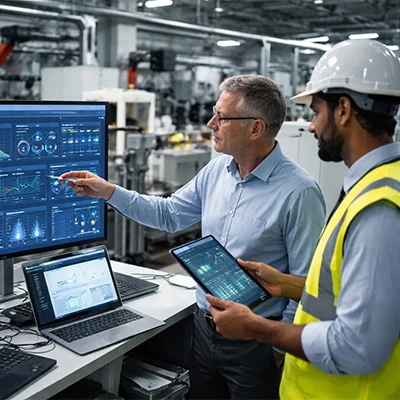
At a basic level, they just make energy visible.
Instead of waiting for a monthly bill, you can see:
- which machine is consuming how much
- what happens during idle time
- where spikes are happening
- which shifts are more efficient
And when you look at it you can no more look.
A Small Example (Which Occurs More often than you think)
In one typical setup, an extrusion line was running slightly longer than required during changeovers. Nobody noticed because production numbers were still being met.
But when energy data was tracked properly, it became obvious that those extra 20–30 minutes per shift were adding up to a significant cost over a month.
No major overhaul was needed. Just better coordination and a small process change.
That’s the thing about Plastic Processing Energy Optimization—it’s often not dramatic. It’s small fixes that accumulate.
Extrusion Lines: Not Always as Efficient as They Look
On paper, extrusion is a steady process. However, in practice, much is going on that influences the use of energy.
Efficiency of energy in extrusion of plastics does not necessarily involve the replacement of machines. It is sometimes about observing things such as:
- heaters working harder than necessary
- temperature settings drifting over time
- motors operating under uneven loads
Without proper monitoring, these issues just blend into daily operations.
With monitoring, they stand out almost immediately.
Injection Molding Has Its Own Story
Injection molding is a bit different. It’s more cyclical, more sensitive.
Even a slight variation in cycle time or pressure can change energy consumption.
With injection molding energy optimization, what helps most is consistency.
When plants start tracking energy per cycle or per part, patterns begin to show:
- one machine consistently uses more power
- one shift operates slightly less efficiently
- certain molds require more energy than expected
None of this is obvious without data.
The Role of Monitoring (And Why It’s Often Missed)
A lot of manufacturers assume they already “track energy.” Usually, that just means looking at utility bills or overall consumption.
But Industrial Energy Monitoring for Plastics Manufacturing goes deeper than that.
It answers more practical questions:
- What’s happening right now?
- Where exactly is energy being used?
- Is something unusual happening today compared to yesterday?
Sometimes the biggest surprise is that auxiliary systems—like air compressors or chillers—consume more energy than expected.
And those are often the easiest to fix.
Data Is Useful… Until It Becomes Too Much
Once systems are in place, data starts flowing in quickly.
That’s where industrial energy analytics becomes important. Otherwise, it’s just numbers on a screen.
Over time, analytics helps simplify things:
- highlighting unusual patterns
- pointing out inefficiencies
- suggesting where attention is needed
Not every plant uses advanced analytics right away, and that’s okay. Even basic insights can lead to meaningful improvements.
Where It Connects to the Bigger Factory Setup
Energy management doesn’t stay isolated anymore.
With smart factory energy systems, energy data starts connecting with production data.
So instead of just knowing how much energy was used, you start understanding:
- energy per unit produced
- cost per batch
- efficiency differences between runs
In the case of B2B manufacturers this is more important than ever. That is the type of transparency that is beginning to be demanded by customers.
Technology is not a Magic Bullet, but a Help.
There’s a lot of talk around energy-efficient plastic processing technologies, and yes, machines have improved.
Servo-driven systems, better insulation, smarter controls—all of that contributes.
But here’s something plants often realize late: even the best machine can waste energy if it’s not used properly.
So the combination matters—technology plus monitoring.
The Reality of Implementation
Not every plant jumps into this easily.
There are concerns:
- cost of setting things up
- compatibility with older machines
- whether teams will actually use the system
And these are valid concerns.
This is why most manufacturers do not invest everything at the first step. They begin small, perhaps with a line, a part, and expand on it.
Interestingly, that approach often works better.
What Actually Makes a Difference
From what’s been observed across multiple plants, improvements usually come from simple actions:
- reducing idle running time
- fixing compressed air leaks
- aligning machine usage with production schedules
- making operators aware of energy impact
Nothing very complicated. Increased awareness, supported by information.
Thinking forward (but not blowing it out of proportion)
Much is said about AI and automation and completely autonomous systems.
Some of that will definitely shape the future of energy management.
But even without getting into advanced tech, there’s already enough opportunity sitting inside most plants today.
It is the aspect that is easily neglected.
Final Thought
Energy used to be something manufacturers paid for.
Now, it’s something they can manage.
With the right approach to Energy Management in Plastic Processing, supported by Smart Energy Management Systems for Plastic Plants, the shift is already happening—from guessing to knowing, from reacting to adjusting in real time.
And in an industry where margins are tight and expectations are rising, that shift matters more than it might seem at first.
 Media Pack Download
 Newsletters
 Industrial Events