
The Rise of Bioplastics: Opportunities for Industrial Adaptation

Introduction
Modern industrial requirements demand sustainable materials because public understanding about plastic pollution and climate change continues to increase. Bioplastics which represent sustainable materials draw their origin from renewable biological resources including corn starch, sugarcane and cellulose. Bioplastics function as possible replacements for petroleum-derived plastic products. The industrial sectors which include automotive and consumer goods industries alongside packaging and agriculture benefit substantially from bioplastics since these materials provide tools for environmental regulations and market innovation and sustainability.
The article examines the growing market of bioplastics while showing industrial operators ways to implement these materials to achieve sustainable and financially rewarding outcomes.
Understanding Bioplastics
There are two fundamental divisions in the bioplastics category structure.
- Bio-based Plastics: Made from renewable biomass resources.
- Biodegradable Plastics: Each material breaks down because of microbial processes even though scientists are uncertain about their biological components.
Polylactic acid (PLA) includes properties from both bio-based and biodegradable groups but bio-polyethylene (bio-PE) shows bio-based characteristics absent biodegradability.
Market Outlook and Growth Drivers
These main factors will drive bioplastics market growth worldwide at a rate above 15% annually throughout 2030 according to analysis.
- Environmental Regulations: Government regulatory institutions enforce additional restrictions about single-use plastics and carbon dioxide emission thresholds which get more restrictive with each passing period.
- Consumer Demand: The increasing concern for the environment among consumers drives industrial supply chains to change their operations.
- Corporate Sustainability Goals: Environmental Social and Governance (ESG) initiatives mandate companies to adopt sustainable materials for their operations.
Key industries leading the adoption include:
- Packaging
- Automotive
- Textiles
- Agriculture
- Electronics
Opportunities for Industrial Adaptation
1. Packaging Industry
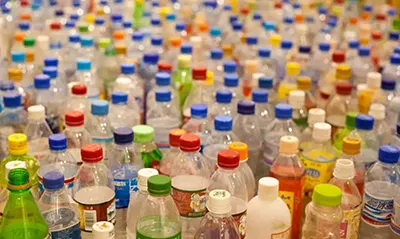
The packaging field stands as the leading sector using bioplastics for its material requirements. The production of bioplastics serves both food packaging and beverage bottles as well as shopping bags and flexible films.
Opportunities:
- The industry is working toward replacement of petroleum-derived plastics with degradable film products.
- PLA together with PHA continue to serve as suitable materials for food package development.
- Development of closed-loop systems with industrial composting facilities.
2. Automotive Manufacturing
Automakers currently use bioplastics to build vehicle interiors alongside dashboards, trims and under-the-hood units and interior parts.
Opportunities:
- The weight reduction of vehicles together with better fuel efficiency can be achieved through these methods.
- The products need to follow the complete set of emission requirements and sustainability measurement criteria.
- Companies producing hybrid components achieve this by combining bio-based plastics with both recycled materials.
3. Consumer Electronics
Microorganisms degrade phone casings while circuit boards together with electronic packaging receive bioplastics as components for their manufacture.
Opportunities:
- Align with green electronics initiatives.
- Lower lifecycle emissions of electronic devices.
- Innovate with heat-resistant biodegradable polymers.
4. Agriculture and Horticulture
The agricultural industry adopts biodegradable mulch films as well as plant pots and seed trays.
Opportunities:
- Reduce plastic waste in soil.
- The company delivers sustainable value-added farming products to agricultural clients.
- Comply with environmental agriculture policies.
5. Textile Industry
PLA and bio-polyesters function as raw materials for producing textiles with sustainable properties.
Opportunities:
- PLA and bio-polyesters serve the increasing market interest in eco-fashion products.
- Reduce dependence on synthetic fibers.
- The company plans to introduce eco-friendly apparel lines which would appeal to consumers who want sustainable fashion products.
Challenges in Industrial Adaptation
There are multiple drawbacks which suppress these benefits.
- Cost Competitiveness: At present Bioplastics maintain higher production costs than standard plastic materials do.
- Performance Limitations: The performance of bioplastics does not surpass petroleum-based plastics regarding their durability or heat resistance capability.
- Lack of Infrastructure: Most industrial facilities which perform composting and recycling do not currently offer their services.
- Supply Chain Constraints: Limited raw material availability and scalability issues.
Businesses need to consider complete product life cycle assessments together with availability ratings and overall cost analysis when changing operations.
Strategic Pathways for Adoption
The complete exploitation of bioplastics requires industries to take these necessary steps:
- Invest in R&D: The Company should work with research organizations to create advanced sustainable polymers.
- Pilot Projects: Organizations need to implement limited first deployments which assess market potential and user response.
- Supply Chain Partnerships: Suppliers and recyclers who work with the company should guarantee the scalability of materials.
- Government Collaboration: Encourage policymaking groups to establish economic incentives together with infrastructure support and government subsidies.
- Circular Design Principles: Manufacturing facilities need to work with designers through creating products with capabilities for end-of-life material reuse and recycling or composting.
Case Studies of Industrial Integration
Coca-Cola’s PlantBottle
The Coca-Cola Company developed a PET bottle consisting of sugarcane-derived materials which decreased its dependence on oil-extracted raw materials.
Ford’s Bio-Based Car Parts
Ford Motor Company establishes vehicle interior components with foams made from soybeans alongside wheat straw composite materials and nylon produced from castor oil.
Samsung’s Eco-Packaging
The electronics division of Samsung employs paper materials that are recyclable and small amounts of plastic packaging alongside its research into biodegradable plastic options.
The Road Ahead
The industrial sector stands at a crucial juncture since sustainable materials have become a strategic business opportunity alongside their regulatory obligation. The strong technological improvements of bioplastics will lead industries to their green transformation.
Bioplastics have become an attractive solution because awareness grows and technical innovations enhance product availability for different industries across the board. Early acceptance of B2B manufacturers to bioplastics gives them dual benefits: it helps meet standards while building brand strength alongside sustainable business durability.
Conclusion
The opportunities bioplastics provide industries the possibility to meet global sustainability goals through innovation. Material science advances together with ESG compliance efforts minimize the performance and cost barriers which exist today.
Companies that rapidly transform their operations according to market changes can discover new possibilities along with environmentally conscious markets while building operations that resist future risks. Bioplastics have become more than a passing trend because they represent a fundamental business imperative for industries to drive sustainability through manufacturing innovations and adaptations.
 Media Pack Download
 Newsletters
 Industrial Events