Top 9 Challenges and Solutions in Plastic Waste Management

Management of plastic waste is one of the biggest global concerns today due to which there is need to come up with solution to the many challenges that it presents. These are some of the measures that constitute understanding of the challenges of plastic waste and formulation of measures necessary to deal with the challenges. In this article, nine major issues encountered in the management of plastic wastes and possible ways of handling them are discussed.
1. High Volume of Plastic Waste
Challenge: Plastic wastes produced on a daily basis are phenomenal in the entire world and this is worrying. Plastics form part of everybody’s life through packaging and other products, which makes the waste produced by plastics hard to deal with.
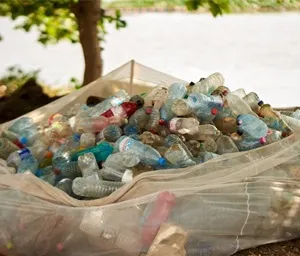
Solution: To address this volume, it is necessary to have detailed recycling programmes. In this way, one can encourage the inhabitants of the society to practice recycling, and, concurrently, a work on the development of the sorting that contributes to the growth for recycling rates can be carried out. In addition to that, sensitisization of the public on the aspect of no use of single-use plastics and encouraging the use of recyclable plastics like biodegradable ones would also go a long way in minimizing the generation of wastes.
2. Inadequate Recycling Infrastructure
Challenge: At the same time, more and more regions are not provided with enough capacities for the effective sorting, processing, and recycling of plastics. This inadequacy leads to the littering of the environment with plastics and or disposal in landfills and oceans.
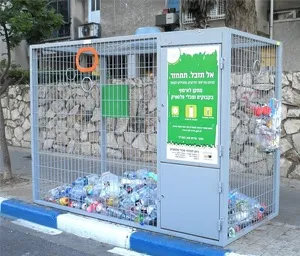
Solution: It is for the governments and businesses to fund improvement in recycling facilities and the construction of new ones. Backing up community based recycling programs and encouraging organizations to come up with and utilize recyclable materials can also improve recycling capacities. A recycling network must be created, and cooperation between the governments and business organizations should be achieved.
3. Complexity of Plastic Types
Challenge: Some of these are the conventional ones which include the following: There are many types of plastics but some of the commonly known ones include: This makes it complex on how to handle plastics in the best way that would enhance its processing hence causing contamination and low overall efficiency.
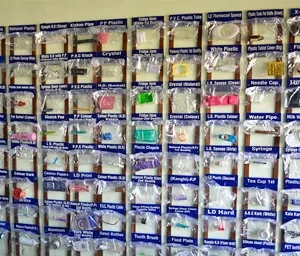
Solution: This can be solved by improving the techniques of sorting and the technologies to follow through with recycling processes different for each type of plastic. The authors also note that standardizing plastic products so the materials are more easily recyclable and increasing knowledge about sorting can also help cut contamination.
4. Environmental Impact of Plastic Waste
Challenge: The impact of plastic wastes includes; pollution of land and water bodies, affecting animals, and through microplastics, they contribute to climate change.
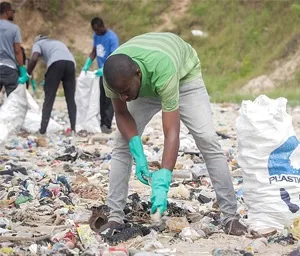
Solution: These adverse effects may be solved by the decrease in the use of plastics and the enhancement of the recycling process. Prohibition of the utilization of the single-use plastics and encouragement for the utilization of environmentally friendly plastics is something that needs to be supported legally. Also, actions about the removal of currently present plastic wastes and funding of studies on other materials may assure the safety of threatened species and their habitats.
5. Lack of Public Awareness
Challenge: Many individuals hardly have any information on the repercussions of plastics or even good ways of handling them. This unfortunate make people to fail in their efforts of recycling and thereby contributing to production of more wastes.
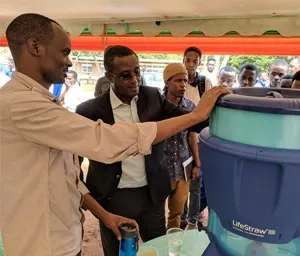
Solution: Carrying out awareness creation through education and putting out proper information on the significance of proper management of plastics can be useful in raising awareness among the people. Teachers and parents, community, and the media have a crucial part in raising awareness and ensuring correct conduct in terms of using plastics properly or avoiding them at all.
6. Economic Factors
Challenge: The possibility of recycling plastics faces certain difficulties considering the fact of economic aspects of the process. The cost of recycling is also high sometimes recycled products are even more expensive than virgin plastics thus are disposed of in large numbers.
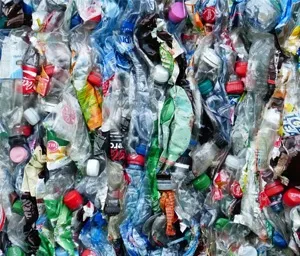
Solution: By giving subsidies or financial encouragement to recyclers, there is an improvement of economical feasibility of programs by governments. Moreover, another way to make this product more successful is to promote companies to use the recycled material for making their products which, in its turn, will do good for creating a better market for this product.
7. Plastic Waste in Developing Countries
Challenge: Many developing nations are faced with the issue of poor waste management this consequently leads to plastic waste management issues. This problem is severe due to scarcity of commodities, financial constraints and poor facilities.
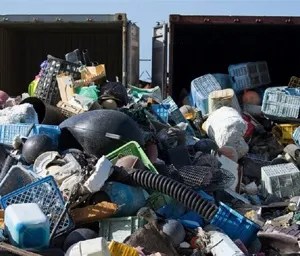
Solution: This article supports the argument and avers that the assistance of the international community is necessary for the enhancement of waste disposal in the developing world. Together with offering grant funding and technical support, it is possible to contribute to the development of efficient waste management practices by mutually sharing experiences, concerns and initiatives of those nations. Fostering of local undertakings and the development of small and bottom-up projects are also likely to offer much of the influence as well.
8. Microplastics Contamination
Challenge: Small plastic debris or particles that are manufactured from smaller pieces of larger plastic and other articles are small but common to be spirited and nearly impossible to be eradicated. They are dangerous to the fauna and to the people too.
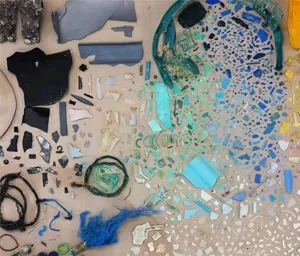
Solution: There is no one way of managing microplastics and it takes an array of strategies to manage this problem. There are measures like limiting the utilization of products that give rise to microplastic pollution for instance, use of microbeads in cosmetics. Also, funding research into technologies to extract microplastic from water systems and enhancing proper disposal of wastes will go a long way to containing the problem.
9. Policy and Regulation Gaps
Challenge: The absence of coherent non-negotiable policies and laws as well as improper or scarce legislation in different parts of the world discredit facilitative plastic waste management. One challenge that is evident in most organizations is that there are no clearly set standards that are implemented throughout the country.
Solution: Policy makers should however endeavor to establish harmonized and all-encompassing policies on plastic waste management. Struggling to establish effective measures based on the bans on plastics and the encouragement of recycling together with support measures towards the materials that can replace the plastic is a possible approach towards improvements. National laws and interstate cooperation can also contribute towards the development of international guidelines and promote the international cooperation in the fight against the plastic waste problem.
Therefore, managing the plastic waste is complex due to these issues of bulk, types and complexity of the plastics, its impacts on the environment and the economic considerations. With this, several concerted measures can be carried out to address the problem on plastics and their management in the global arena; these include; universal initiatives; an investment in infrastructures; and public sensitization. In order to create a future with no negative impacts of plastic waste, all levels of society, from national to local, as well as private and public sectors, must turn into partners.
 Media Pack Download
 Newsletters
 Industrial Events