Challenges in Plastic Packaging: Balancing Sustainability and Functionality

In terms of use, the general public has in fact become very conversant with the use of plastic packaging. Be it the food or the things we consume we are surrounded by plastic packaging and the reasons are quite evident; convenience, protection and cost effectiveness. However, the escalating rate of environmental consciousness all over the globe has posed another issue; how can the packaging ‘be’ sustainable and practical for application? In this article, some of the problems that has befallen the industry and probably the ways through which it can avoid them has been highlighted.
1. Environmental Impact of Plastic Waste
It goes without saying that one of the most significant, albeit well-known concerns regarding plastic packaging is environmental. The material called plastics take more than 500 years to degrade and meanwhile accumulate in the environment as litter. Despite this, this waste is something that presents a great danger to sea life, the environment and the human beings.
The dilemma thus comes in trying to create packaging made from the material but with as little impact on the environment as possible.
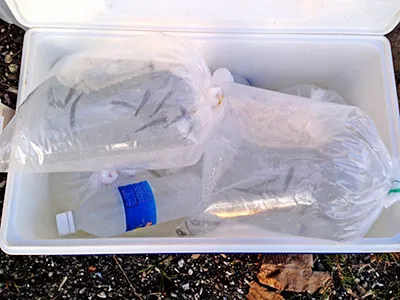
Solution: The industry is for example looking for substitutes like bio-degradable plastics which take a shorter time to decompose in the environment. Further, more recycling rates should be achieved and efficient ways of recycling should be developed in order to minimize use of plastics.
2. Sustainability vs. Performance
Some of the reasons why plastic packaging is preferred is due to the fact that it is strong, flexible, and the fact that it keeps products isolated from other products. But those qualities are also the reason why we struggle to achieve similar performance levels when using more environmentally friendly materials. For instance, although bio plastic or compostable plastic materials have been found to have low strength or barrier properties required in their respective products such as a food container or lifesaving syringe etc.
Solution: There are statements that technological advancements in material science are opening up new areas of sustainable plastics that do not mean loss of performance. For instance, there is a development of new biodegradable plastics with multiple layers that possess the same characteristics of the conventional plastics only that they are eco-friendly.
3. Economic Viability
Changing from the normal plastic packaging to that that is environmentally friendly is not cheap. Introducing novelties to the composition of the materials, changing the technological workflow, and recycling all demand money. This is a typical economic problem more so to the small firms that may not be in a position to afford these changes.
4. Consumer Perception and Demand
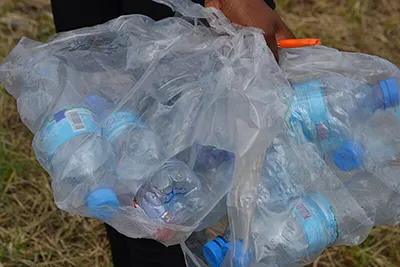
Consumers know what they want and they want sustainable packaging; however, there is a reality that consumers do not know. Some consumer thinks that all plastic goods are bad for the environment, some does not differentiate between good and bad plastics as well as do not understand the issue with sustainable alternatives.This perception challenge complicates the opportunity for companies to get the best packaging material that will enhance sustainability as well as functionality.
Solution: Knowledge and clarity are the things that can make a difference.
To some extent, companies possess the ability to reduce this knowledge gap by presenting accurate information about the sustainability of their packaging decisions as well as emphasizing on the positive effects of correct recycling or disposal of their products.
5. Regulatory Pressure
With the increase in publicity on the impacts of environmental degradation on the earth, most governments globally are tightening their laws on the use of plastics in packaging. Such regulations typically entail specifications for the amount of plastics to be reduced, for the recyclability of the packaging, or for the percentage of recycled content to be incorporated. As these regulations are meant to promote sustainability, they also present themselves as problems in the sense of compliance and expenses.
Solution: A proactive approach to addressing regulatory matters, as well as to contribute to the formulation of policies is another challenge which may be addressed by a business organization. Following regulations and issuing policies that will help in the use of best acceptable practices, and use of sustainable technologies can also be an added advantage to some companies.

6. Innovative Packaging Solutions
The management of the issue of plastics packaging can only be solve through innovation. Companies are using new materials like plant based plastics, and designing packages with less material but can fulfil all the requirement as a normal package. These innovations are also aimed at decreasing the effects that package has on the environment without compromising the needs of the society and business.
Solution: It will also be pertinent to incorporate a culture of innovation regarding the perception of packaging in the market. Businesses should focus on innovation, work together with material scientists, and acknowledge the most recent innovation in green packaging.
Conclusion
There is a considerable task of having to juggle between the utilization of sustainable materials such as plastics for packaging while at the same time having to ensure functionality of this type of packaging. Therefore, the manufacturing of new materials, innovating the recycling centre, increasing the awareness of the consumer and following the regulation can help the industry towards a greener packaging. This means only that the future of packaging plastics is in the pursuit of ways and means that would help the world to continue enjoying the advantages offered by plastics but at the same time respecting the planet and its living occupants.
 Media Pack Download
 Newsletters
 Industrial Events