
How Are Advanced Composites Utilizing Plastics in New Ways?
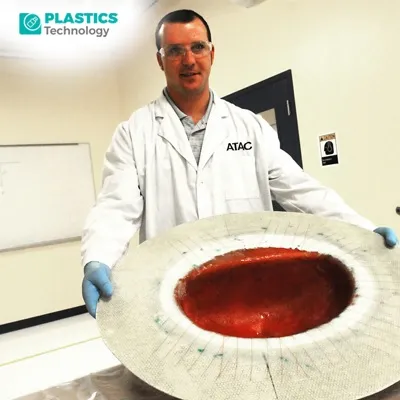
Advanced composites, particularly those utilizing plastics, have revolutionized numerous industries by offering superior properties such as high strength-to-weight ratios, corrosion resistance, and enhanced durability. These composites are finding innovative applications in various sectors, driven by the need for materials that can meet the demanding requirements of modern technology and sustainability goals. This article delves into the ways advanced composites are utilizing plastics in new ways, highlighting their applications, benefits, and future prospects.
The Evolution of Advanced Composites
Advanced composites, traditionally composed of reinforcing fibers embedded in a plastic matrix, have evolved significantly over the years. The integration of high-performance plastics into composite materials has expanded their potential uses, enabling them to replace metals and other traditional materials in many applications. The evolution of advanced composites can be attributed to several key factors:
- Material Innovation: The development of new plastic materials, such as thermoplastics and thermosets, has enhanced the properties of composites. These plastics offer better mechanical performance, thermal stability, and chemical resistance.
- Manufacturing Techniques: Advances in manufacturing techniques, such as automated fiber placement (AFP), resin transfer molding (RTM), and 3D printing, have improved the precision and efficiency of composite production, allowing for more complex and customized designs.
- Sustainability: The growing emphasis on sustainability has driven the development of recyclable and bio-based plastics, making advanced composites more environmentally friendly.
Applications of Advanced Composites Utilizing Plastics
The unique properties of advanced composites have led to their adoption in a wide range of industries. Here are some of the most notable applications:
Aerospace and Aviation
In the aerospace industry, weight reduction is critical for improving fuel efficiency and reducing emissions. Advanced composites utilizing high-performance plastics are used in aircraft components such as fuselage sections, wings, and tail fins. These composites offer excellent strength-to-weight ratios, reducing the overall weight of the aircraft without compromising structural integrity. For instance, the Boeing 787 Dreamliner uses composites for 50% of its primary structure, resulting in significant fuel savings.
Automotive Industry
The automotive sector is increasingly adopting advanced composites to meet stringent fuel economy and emissions standards. Plastics-based composites are used in various automotive components, including body panels, interior parts, and structural elements. These materials help reduce vehicle weight, improve crashworthiness, and enhance overall performance. Electric vehicles (EVs) particularly benefit from these composites, as reduced weight leads to longer driving ranges and better battery efficiency.
Renewable Energy
In the renewable energy sector, advanced composites play a crucial role in the development of wind turbine blades. The use of plastic composites allows for the production of longer, lighter, and more durable blades, which can capture more wind energy and improve the overall efficiency of wind turbines. Additionally, the corrosion-resistant properties of these composites make them ideal for offshore wind farms.
Sports and Recreation
Sports equipment manufacturers utilize advanced composites to create lightweight, high-performance gear. For example, tennis rackets, golf clubs, bicycles, and helmets made from plastic composites offer enhanced strength, flexibility, and impact resistance. This results in improved performance and safety for athletes.
Construction and Infrastructure
In the construction industry, advanced composites are used to reinforce concrete structures, repair damaged infrastructure, and construct new buildings. Plastic composites offer advantages such as corrosion resistance, reduced maintenance costs, and longer lifespans. They are also used in the development of sustainable building materials, contributing to greener construction practices.
Benefits of Advanced Composites Utilizing Plastics
The integration of plastics into advanced composites offers numerous benefits, making them an attractive choice for various applications:
1. Lightweight: Plastic composites are significantly lighter than traditional materials like metals and ceramics, leading to weight savings and improved efficiency in applications such as aerospace and automotive.
2. High Strength and Durability: Despite their lightweight nature, advanced composites exhibit exceptional strength and durability. This makes them suitable for demanding applications where high performance is essential.
3. Corrosion Resistance: Unlike metals, plastics do not corrode, making composites ideal for use in harsh environments, such as marine and chemical processing industries.
4. Design Flexibility: Advanced composites can be easily molded into complex shapes, allowing for greater design flexibility and customization. This is particularly beneficial in industries like aerospace and automotive, where intricate designs are common.
5. Thermal and Electrical Insulation: Plastic composites offer excellent thermal and electrical insulation properties, making them suitable for use in electronics, electrical components, and thermal management systems.
Future Prospects and Innovations
The future of advanced composites utilizing plastics looks promising, with ongoing research and development efforts focused on enhancing their properties and expanding their applications. Some key trends and innovations to watch for include:
Recyclable and Sustainable Composites
As environmental concerns continue to grow, there is a strong focus on developing recyclable and bio-based composites. Innovations in plastic recycling technologies and the use of renewable raw materials are paving the way for more sustainable composites that can be reused and repurposed at the end of their lifecycle.
Smart Composites
The integration of sensors and smart materials into plastic composites is an emerging trend. These smart composites can monitor structural health, detect damage, and even self-heal, enhancing safety and reducing maintenance costs in applications such as aerospace and infrastructure.
Nanocomposites
The incorporation of nanoparticles into plastic matrices is leading to the development of nanocomposites with enhanced properties. These materials offer superior mechanical strength, thermal stability, and barrier properties, making them suitable for advanced applications in electronics, packaging, and biomedical devices.
Additive Manufacturing
Advances in additive manufacturing, or 3D printing, are revolutionizing the production of plastic composites. This technology enables the creation of complex and customized components with high precision, reducing material waste and production time. It also allows for the development of novel composite structures that were previously unattainable.
Conclusion
Advanced composites utilizing plastics are transforming various industries by offering lightweight, durable, and versatile materials that meet the demands of modern technology and sustainability goals. From aerospace and automotive to renewable energy and sports, these composites are enabling new possibilities and driving innovation. With ongoing advancements in materials science and manufacturing techniques, the future of plastic-based composites looks bright, promising even more exciting developments and applications in the years to come.
 Media Pack Download
 Newsletters
 Industrial Events