
Plastic in Medicine: Life-saving Applications and Innovations
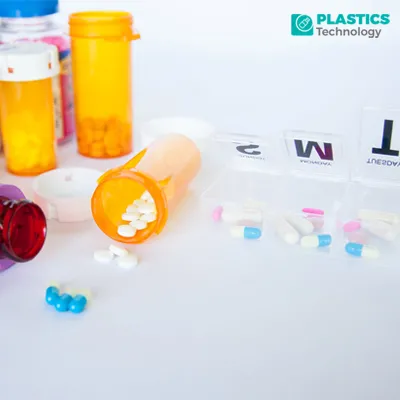
Despite recent developments in our understanding of its negative impacts on our environment, plastic is actually credited for incredible advancements in medicine. Polymers are now crucial across the spheres of healthcare, providing innovative approaches to such challenges as cleanliness, wear-resistance and productivity. Starting from the syringes that are used one time to the artificial limbs that a patient can control, plastics have been critically involved in providing better health services. It should not be a mystery that plastic has numerous uses in medicine, this is a brief look about some of them and some new innovations which remains the future of some healthcare devices.
1. The Role of Plastic in Modern Medicine
Plastic materials are widely used in all aspects of modern medicine: from tools and devices used by surgeons to the packaging of sterile supplies, including sterilizable plastic containers. They are less in weight, tensile and less conductive and easy to shape, that’s why these are best for the preparation of numerous medical appliances and instruments. Third, plastics can be sterilized – a very important parameter in the sanitary and antivirus complex. Flexible and strong materials such as polyethylene, polypropylene, PVC and silicone were identified by epidemiological study with health care common adequate medical need.
Hygiene and Safety: Even more obvious is one of the biggest advantages of the plastic use in healthcare to enhance the hygiene and safety levels. For instance, disposable materials that are found in every facility today must be used because they are disposed after one use to minimize contamination and disease contraction. Right from gloves used when handling patients and treatment implements such as syringes, plastic materials are found vital in infection prevention.
2. Disposable Medical Supplies: Preventing Infection
Plastic materials are used heavily in disposable medical products that are essential in fighting infections. Supplementary aka disposable products such as syringes, IV bags and catheters, and gloves have enhanced healthcare due to the efficient diminution of cross contamination. In the past that reusable tools instead after using the tools for a number of operations, however this was lengthy and occasionally not totally effective. Since disposable plastics involve supply of a large number of plastics, the personnel in the healthcare sector can guarantee more safety and reduce instances of spreading diseases.
Syringes and Needles: Flexible plastics syringes together with needles have significantly cut the infections of hemophilia, hepatitis & C and HIV amongst the other diseases. Some of these devices are produced to cost little and be sanitary, and their usage once and then discard minimizes the chance of disease, makes them essential in hospitals, clinics and at home.
3. Medical Packaging and Storage
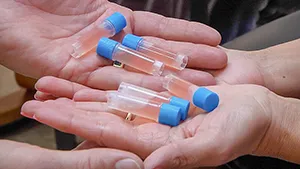
The same goes for the packaging and storage of medical supplies and drugs since we know that plastics are permanently on the rise. This also matters a lot in the aspect of sterility of medical products so that they remain so, until they are administered. Plastic packaging may help to safeguard different resources from getting contaminated or damp, or getting damaged while retaining their functionality. For example, keeps bottles, packs and bags of plastic safe, effective and free from contamination on medications and other supply items such as food products.
Blister Packs and Bottles: Pill-shaped plastics blisters that medications are placed in are made to keep them as they hold sterility as well as shield them from the external environment. These packs are also made tamper proof and are convenient for use, cost effective making them the pack of choice for most pharmacies or manufacturers.
4. Prosthetics and Implants
However, one of the most essential areas of the application of plastics in medicine is prosthetics and implants. Earlier, organic materials such as wood and metal were used in making prosthetics, but with the advent of plastic technology this field has developed new tools in the form of lightweight, durable and specially designed artificial limbs. The usage of more developed plastics such as the biocompatibility to create prosthetic that mimics the actions and functionality of actual limb, patients gets their mobility back and freedom.
3D-Printed Prosthetics: Due to updated 3D printing technology, plastic prosthetics are even more affordable and uniquely designed to be a perfect fit for patients and for increased comfort. As a result of these innovations, people can now obtain prosthetic limbs, which suit their needs, from areas they would have considered poor.
5. Surgical Instruments and Devices
Plastics are severally applied when used in the fabrication of several surgical instruments and tools.
Such essentials as forceps, clamps or even endoscopic accessories are designed from high grade plastic. Some of these plastic instruments are lighter than some of the metal instruments that are used and therefore may not cause a lot of strain to the surgeon, especially during those lengthy operations. Also, equipment used during surgeries such as some plastic surgical tools are easily sterilized or made to be used once meant to offer a very clean bill during surgeries.
Minimally Invasive Tools: They also play the role of structure in making minimally invasive surgical tools. Instruments used in carrying out operations through small cuts on patient’s skin mainly endoscopic equipment’s for flexible and durable resources include the use of plastic material. These devices permit quicker recovery times for patients, and reduce postoperative discomfort, also.
6. Drug Delivery Systems
Plastic materials are important to manufacture controlled release delivery systems that add a lot of value to the delivery of medication. For instance, while coming up with plastics, there are plastic inhalers for asthmatic patients, syringes for insulin and IV bags for intravenous drugs. These devices ensure that drugs get delivered to the patient’s body in a regulated manner boosting the results.
Transdermal Patches and Inhalers: Drug delivery through skin by using plastic transdermal patches is one of the great examples of ways in which use of plastics improves drug delivery. These patches are usually formed either from one or multiple flexible layers of plastic and these form a way of dispensing medication for a long time without incurring further costs of redesigning new patches. Likewise we have inhalers those which are made up of plastic parts help deliver a fixed, premeasured amount of medication for respiratory diseases.
7. Advancements in Biodegradable and Biocompatible Plastics
As fears over the use of plastics continue to grow, there have been major developments in generation of biodegradable and biocompatible plastics. Biodegradable plastics degrade more quickly and have therefore got less effect on the environment while biocompatible plastics can be used with the human body. These materials are now used in implants, sutures, and drug delivery devices that can gradually dissolve in-body, thereby avoiding a need for another surgery to remove such implants.
Biodegradable Implants: Some implants are actually made out of plastic and still exist as small fragments which dissolve gradually in the human body. For example, implants that are used to support healing bones can disappear on their own after some time sparing the patient an extra surgery. This innovation on its own enhance patient comfort and also leads to the reduction of health costs in the society.
8. Personal Protective Equipment (PPE) and Patient Care
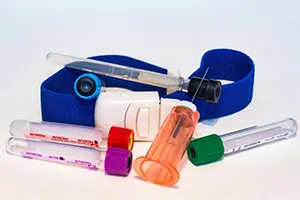
During the current COVID19 crisis other PPEs that consisted of plastic facets such as face masks and shields, hand gloves as well as gowns were mandatory so as to meet the health needs of patients and the workers. These are made from light weight and easily breakable plastics that may be disinfected after use in order to avoid spread of diseases. Currently, plastic based PPE is a vital aspect in healthcare delivery since it protects both the care giver and the patient.
Face Masks and Shields: Plastic face masks and shields have been essential in tackling infectious diseases because of their effectiveness. These are items applied in operations and working daily healthcare activities where they form a layer so as to minimize harms such as diseases.
9. Future Innovations in Plastic Medical Technology
For a future perspective, these reports have revealed that there will be even more utilization of plastic based material in medical sector in future. Scientists are coming up with the so-called intelligent materials, known as smart plastics that are capable of changing color, releasing some medication or giving a certain reaction to stimuli. These plastics can be employed in production of implants for surgeries or wearables that provide real-time patient information. Latter suchlike could make a great impact towards availing health care that is personalized to the patients to enhance the desired result.
Smart Plastics for Diagnostics: Smart plastics are being formed to make diagnostic tools that alter color or send signals of health. For example, a plastic bandage may use change color, say, from white to red, if it noticed that a wound it is covering is infected and need attention.
10. Challenges and Environmental Concerns
It is important to acknowledge that plastic plays [many useful roles in medicine], but it is important also to note the difficulties that the use of plastic creates today – in particular, concerning the removal of waste and an organization of relation to the natural environment. Hygiene control measures require use of single use plastics including polythene, polyethylene and polypropylene which form a considerable portion of its medical waste. The issue is to decide whether advantages to promote the use of plastic goods in healthcare outweigh the necessity to handle appropriate waste management. Recycling programs, biodegradable solutions and services and improved waste management initiatives can reduce such issues.
Sustainable Solutions: Due to environmental issues, recycling programs are now under consideration in many hospitals/healthcare providers while the use biodegradable plastics are being considered. Some countries are using money to ensure they develop technologies used to recycle plastics used in the medical industry without harming their surroundings.
Conclusion
Today, plastic is one of the most important materials used frequently within the medical industry to deliver critical and more efficient health care services. From the prevention of spread of disease, managing body prostheses and a means of delivering medicine, use of plastic in health care is ubiquitous. More new uses can be expected as other technologies are developed and the search for environmentally sound plastics continue to be pursued. Steady advances in biodegradable, smart plastics, and other related technologies suggest that the future of healthcare will see plastic provide advantages without creating further problems.
 Media Pack Download
 Newsletters
 Industrial Events