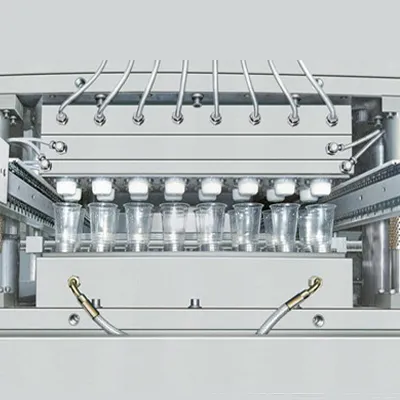
Plastic Upcycling: Turning Waste into Valuable Resources with New Technologies

Discharge of plastics in the planet is one of the greatest misconceptions of radical modernity. Yearly, millions of tons of plastic wastes end up in landfills and the water sources impacting animals and humans, and their living environment. However, as the world faces this mounting crisis, a promising solution has emerged: plastic upcycling. While recycling includes the process of emulsion, shredding, and reforming plastic waste products in new products, upcycling involves converting wastes into valuable and higher products. This article will focus on how new technologies are transforming the method of upcycling plastics and turning waste into wealth.
What is Plastic Upcycling?
Upcycling is known as the action by which waste is transformed in a product that has a higher value and quality than the original item. When used in the context of plastics, this means taking post-consumer plastic waste that is destined for the landfill or the environment and converting that waste into something that is more valuable or useable. While recycling tolerant tends to create products of inferior quality for potential reuse, upcycling is aimed at enhancing the value of the plastic to create products of desirable usability than those produced by conventional manufacturing processes.
Why is Plastic Upcycling Important?
Scalogram of the plastic waste produced in the world can be described as impressive. It is estimated that 380 million metric tons of plastic is manufactured every year in the world, and much of it goes to litter. Despite recycling initiatives, the overall rates of recycling remain relatively depressed especially with regard to bags and bottles, caps and various packages requiring single use. Conventional recycling results in downcycling or changes in the use-value of the material, hence plastics are used in the creation of lower value products like benches and carpet fibers that find their way to the landfill or the furnace.
In contrast, upcycling offers several environmental and economic benefits:
- Reduction in Waste: Upcycling enables people to reduce the amounts of plastics that end up chocking the landfills, rivers and seas.
- Resource Conservation: With upcycling, one is able to prevent the cancellation of useful raw materials, such as oil and natural gas, which are used in the manufacture of new plastics.
- Energy Efficiency: Industrial upcycling processes are generally beneficial in terms of energy efficiency than that of making new plastics.
- Economic Growth: Upcycling leads to new jobs meaning production of new and more business, which forms part of the circular economy system and supports local producers.
Technologies Revolutionizing Plastic Upcycling
New opportunities have appeared due to the development of technologies for the recycling of plastic materials. To tackle this problem effectively, several unique methods have been developed to make plastics reusable and transform plastic waste products into more usefully. Below are some of the key technologies making a difference:
1. Chemical Recycling (Chemical Upcycling)
Chemical recycling or as some people want to call it chemical upcycling is arguably the most reasonable form of plastic upcycling today. Chemical recycling is not mechanical recycling and in chem recycling, the polymer chains undergo large chemical reactions and are effectively chem recycled. Such components can then be utilized for the synthesis of additional superior grade plastics or other desirable products.
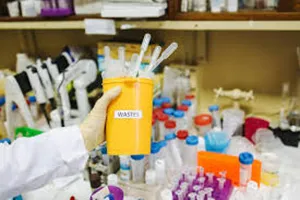
- Pyrolysis: Pyrolysis is a process of heating plastics with good result at a temperature between 350 and 400 degree Celsius in the presence of hydrogen donor in the absence of oxygen whereby the plastic waste decomposes into liquid oil, natural gas and solid carbon. Some of the forms of liquid oil that can be generated can be utilized in the manufacturing of new plastics and/or fuels. It proved effective in recycling mixed plastics that cannot be recycled regularly through the normal techniques.
- Depolymerization: Recycling includes the conversion of the plastic polymers to their monomer form, purification of the monomers, before converting them again to high quality plastics. This technique is especially good for reusing PET (polyethylene terephthalate) that usually fills the plastic bottles.
- Solvolysis: Solvolysis dissolves the plastics in solvents and subdivides these plastics to the monomers or further smaller molecules. Recycling can involve the use of various processes to sort the plastics for recycling and this process can recycle polyolefins like polyethylene and polypropylene among others; this process can also aid in the recycling of plastics mainly through a process through which some many chemicals can be recovered from the waste plastics.
These chemical recycling technologies are unique options for recycling which helps in redressing the loop in waste management by converting waste plastics into virgin-like plastics. They also allow a way of reusing mixed and even contaminated plastics that cannot be recycled through conventional methods.
2. Enzymatic Recycling
Recycling through enzymes is another young technology being used in upcycling of plastics. There are particular enzymes identified that are active to degrade particular kinds of plastics, mainly PET; these are of molecular weights that can be returned to their monomers. Once these monomers are produced then they can be reclaimed to plastic products in the industry.
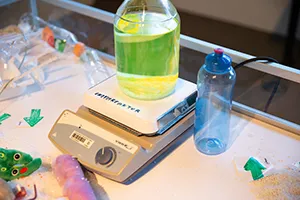
- PETase and MHETase: MHETase and PETase belong to dozens of enzymes identified so far for the depolymerization of PET plastics. Plastic degrading enzymes are synthesized in specific microbes or bacteria and fungi whose main function is to decompose plastics in the environment. To improve the efficiency and capacity of these enzyme, researchers have been researching on these enzymes. A further analysis of various enzyme variants – for instance, it has enabled researchers to enhance the efficiency of these enzymes in breaking down plastics. Through these enzymes; the recycled bottles are returned into monomers usable with the same quality to produce more bottles or even other quality products.
Enzymatic recycling has its advantages over the regular recycling techniques that were earlier discussed, including ability of recycling plastics with less dangerous products. Moreover, no heat is produced in the process that is why enzymatic processes are rather effective, as they develop at comparatively low temperatures.
3. Upcycled Plastic Products
Another impressive feature of the upcycling of plastics is that plastics are transformed into valuable products using the waste. Many firms and emerging ventures from different corners of the globe are using the latest technologies to recycle waste plastic into valuable products. Some examples include:
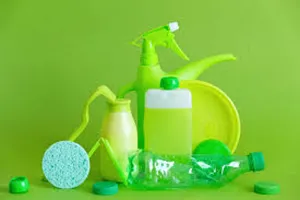
- Upcycled Fashion: A number of fashion players are employing upcycled plastic bottles, bags, and other wastes in its clothing and product lines. For example, the plastics bottles are chopped, melted and reextruded as yarns for production of T-shirts, jackets, among others. These products also assist in the reduction of the raw material required from the natural resources and also help in common internalization of decentralized recycling programs.
- Building Materials: Recycled plastic can also be applied to construction. Firms have found a way to convert plastics into constructive materials like bricks, tiles and insulators among others. It can also assist in the endeavor to make constructions less dependent on the more ruthless conventional building materials such as cement and steel.
- Furniture and Household Products: Recycled plastic is also impressive while going into the fabrication of furniture, kitchen utensils, and other household items. Companies are turning the waste plastics into fashionable and useful products; thus helping to fight the problem of plastic waste.
- Automobile Parts: PVC waste is becoming popular within the automotive industry. Automobile makers are also benefitting from the recycling of plastics by using the reusable plastics to create auto components including dashboards, bumpers and interior trims.
In the accruing list of examples of upcycled plastic, it is evident that the material can indeed take over several other materials in almost every sector.
4. 3D Printing with Recycled Plastics
3D printing technology has seen immense use in recent past, and now it going even further to recycle plastics. By employing the use of post-consumer recycled plastic as the input for 3D printers, firms or individuals can design unique products, models or novelties, as well as substitutes. It helps decrease the amount of plastic used, and, at the same time, offers fresh opportunities to embrace the concept of on-demand economy.
New products can be made by turning used plastics into filaments for 3D printing through melting the plastics from discarded bottles, packs, and more. It makes it possible to manufacture a very wide range of products from simple home decoration accessories to complex industrial components within a competitively low environmental impact.
Challenges and the Future of Plastic Upcycling
Although, the idea to turn plastics into something more useful can be seen as a viable solution for the problem, there are several obstacles here. Some of these include:
- Scalability: At the same time, the majority of upcycling technologies are still in the experimental or at the beginning of the commercial stage. Sustaining all these processes to accommodate the heaps of plastic waste produced, globally, would call for a lot of investment in research, infrastructure enhancement as well as technology.
- Economic Viability: Sometimes upcycling approaches may be costly than plastic production or conventional plastic recycling strategies. As a way to take upcycling to the commercial level, it will be crucial to find cheaper ways of upcycling as well as create the reason to use upcycled material.
- Consumer Awareness: Currently, few people know about plastic upcycling and its positive impact.
Through consumer awareness and sensitization and highlighting the need to embrace upcycled products and alerting industries and consumers to embrace upcycled products, more people will embrace upcycling.
Nevertheless, the future of this type of recycling is rather bright. These factors give insight that, with improved technology and scale economies the upcycling process will be cheaper and hence widely accepted. Both governments and consumers, as well as all the businesses and producers in-between, have a part to play in minimizing the use of plastics and making use of products created from upcycled materials instead.
Conclusion
Upcycling of plastics therefore can be considered as a major shift in management of plastics especially in the aspects below. Through transforming waste into resource by using chemical recycling, enzymatic recycling or manufacturing new valuable products, innovative technologies one of the solutions to the plastic pollution problem. However, it is still in a progressing phase and future can see, it as a revolution in how we consider plastic waste in economy and society. Considering necessary resources and funding, upcycling plastic has a great potential to become one of the powerful tools against excessive use of plastics and promote the idea of the cleaner planet.
 Media Pack Download
 Newsletters
 Industrial Events