Plastics and Food Safety: Advances in BPA-Free and Food-Grade Materials

Food storage and packaging remain some of the primary uses of plastics in our day to day lives. It is used in making water and juice bottles, food covers, plates, and anything that you think you can easily carry or use for a long time. But controversies over the risks associated with some plastics especially those containing Bisphenol A (BPA) have however seen development of safer, BPA free, and foods grade plastics. It is now time to understand what these terms imply in their broadest sense and their implications on our health and safety.
Understanding BPA and its Risks
The chemical compound known as bisphenol A has the common name BPA and is employed in the production of some forms of plastics and resins. This has been commonly applied in water bottle and foods containers and can also be used to line canned foods. However, the various years of research show that BPA can end up in food and beverages through heating pose various risks to the health of people.
BPA acts like estrogen in the body and its effects include hormone related cancers, reproductive disorders, and developmental disorders in young children. For these reasons, consumer and manufacturers have been searching for the next best plastics that are not made from BPA.
The Rise of BPA-Free Plastics
Due to these health issues, there has been high demand for BPA free plastics across the market. BPA free means that the plastic does not have Bisphenol A to pose the dangers of the dangerous chemicals running into the food that is placed in those plastics. The manufacturers have also opted using other kinds of chemicals such as bisphenol S (BPS) or bisphenol F (BPF) for use instead of BPA. Though there are still studies being conducted to understand if they are completely safe for use since they have some structure resemblance to BPA.
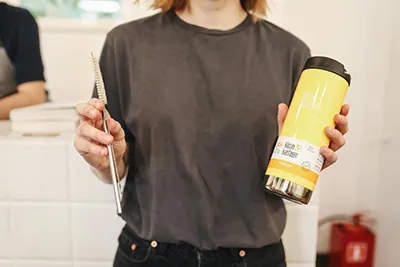
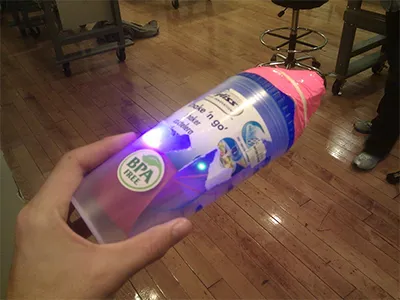
Sometimes you need to buy products which are free of BPA; and while doing so, you open water bottles, food storing tins, baby foods and bottles and pacifiers and all contain the note: ‘No BPA’. Such labeling makes it easier for the consumer to decide on what material they want to bring in their homes.
Food-Grade Plastics: Ensuring Safe Food Contact
At the same time, the term “food-grade” plastics also gained significance. Food contact plastic is the type of plastics that meet the stern requirement of food safety standards for safe use with foodstuff. These plastics must meet the safety standards as provided by the heath and regulatory authorities such the Food and Drug Authority of the United States and the European Food Safety Authority.
Food- contact plastics are intended to conform to the adage that the container is safe for use with foods and beverages because the plastic’s chemical constituents are not capable of migrating out under normal applications such as heat, acidic or prolonged consumption period. Some common types of food-grade plastics include:
- Polypropylene (PP): Paper products such as carrier bags and boxes also plates, cups and spoons. The former is durable and have heat resistance capability.
- Polyethylene Terephthalate (PET): Most noted in drinking water flasks and soda cans, PET is lightweight and ideal for one time use.
- High-Density Polyethylene (HDPE): A very strong plastic commonly used in the making of milk jugs and other thick food storage plastics.
Thus, employing food-grade plastics, manufacturers strive actually to reduce potential threats of chemical migration and guarantee that the corresponding materials are harmless for long-term contact with foodstuffs.
Innovations in Biodegradable and Sustainable Plastics
In addition to BPA free and food grade plastics there is an increasing degree of concern for biodegradable plastics. Novel earth friendly such as biodegradable and plant based plastics including polylactic acid (PLA) are currently in the process of research and development. These plastics deteriorate faster than other standard plastics and are therefore safer for use in food packaging.
However, innovations of biodegradable plastics have its own problems how to be safe in usage and durable like conventional plastics. Further work should be performed to develop such materials and to disseminate them in order to reach the greatest number of people.
Conclusion: A Safer Future for Plastics in Food
The creation of the BPA-free and food-grade plastics are a step in the right direction whereby to make plastic safe for food chain. Trends in the recent past have revealed how plastics were harming our health as well as the over environment and due to this producers and manufacturers have embraced better quality plastics that can meet those new standards.
When it comes to food packaging and storage as a consumer it is very important to know what material is being used. Search for BPA-free, use only food-grade products, and if possible choose materials that are ecofriendly. If innovation and awareness are kept up, we can greatfully anticipate a future where the materials we come across every day are safe and won’t harm us or the environment.
 Media Pack Download
 Newsletters
 Industrial Events