Smart Packaging Revolution: RFID, QR Codes, and Sustainable Bio plastics

The transformation currently being experienced in the packaging business is much more than a cosmetic one. In addition to design and branding, the packaging is now about smarts, sustainability, and connectedness. Smart packaging solutions are driving this change, and some of the smart packaging technologies include RFID packaging technology, QR code smart packaging, and sustainable bio plastic packaging. When put together, these technologies are redefining the way businesses, retailers, and consumers relate to products. However, the questions are: how far will this revolution go, and what will the future of smart packaging using bio plastics be?
The Rise of Smart Packaging Solutions
In its essence, the smart packaging solutions will be aimed at offering more than mere value in containing the product. They use digital markers, sensors, and environmentally friendly materials to bring in the features of intelligence, interactivity, and environmental value. Packaging used to be regarded as an unspoken requirement. Now-a-days, it has transformed into a medium of stories, a traceability system, and even a freshness guard of a product.
The transformation of the fixed labels into smart packaging systems has resulted in the possibility of new business models altogether. Connected packaging technology is being used by retailers to monitor an item in real-time and RFID packaging technology is a key technology used by food and pharmaceutical companies to guarantee safety and authenticity. These are not only solutions that increase efficiency but also allow access to consumer engagement.
RFID Packaging Technology: Unlocking Invisible Data
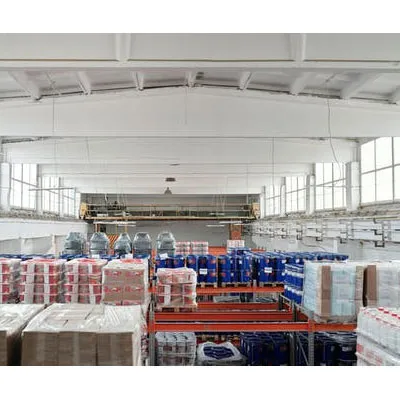
RFID packaging technology is one of the most interesting fields of innovation. Radio Frequency Identification enables packages to pass information to scanners without having to be read by them as in the case of barcodes. Take the case of a logistics warehouse, where goods in pallets are automatically monitored without having to scan them manually. This is not science fiction- it is happening.
Companies that have implemented RFID packaging technologies have recorded less losses, improved visibility of the supply chain, and increased security of products. Indicatively, in the pharmaceutical industry, where counterfeits are a major issue, the RFID tags in the packaging can be used to verify products in real-time. Fashion retailers adopt RFID in order to have better control of their stock, avoiding both overstock and stock out.
However, the question is how it can be scaled. Will RFID packaging technology be used in all industries, or will it be applied to expensive products only? This is probably answered by its cost-effectiveness as technology evolves and scales.
QR Code Smart Packaging: Bridging Physical and Digital Worlds
QR code smart packaging is visible to the user as opposed to RFID, which is invisible tracking. QR codes are not attractive, but the fact that they can bring customers directly to the digital world is groundbreaking. Any scan on a beverage bottle can probably give access to information about sourcing, sustainability initiatives, or loyalty programs.
The smart packaging with QR codes became extremely popular during the pandemic, as people became used to scanning the codes in restaurants and other retail locations. Brands today are using it to create trust and transparency. It is either used by food companies to provide allergen information or cosmetics brands to post tutorials and authenticity tests.
The greatest question is to what extent such an integration is going to reach. Will smart packaging with QR code be utilized in the future to replace traditional advertising as the main interface between physical product and online storytelling? This prospect is not as far-fetched as it sounds in the face of consumer behavior which is growing to emphasize on instant access to information.
Sustainable Bio plastic Packaging: The Green Game-Changer
The concept of sustainability is no longer a buzzword but a need. The conventional plastics are undergoing worldwide assessment over their environmental harm prompting the industries to seek ways through which plastic packaging can be developed using environmentally friendly materials. One of them is the sustainable bio plastic packaging that is the game-changer.
Sustainable bio plastic packaging is made out of renewable materials, such as corn starch, sugarcane, and even algae, and has a reduced carbon footprint but remains durable and flexible. It is in line with the emerging trends of circular economies and consumerism that are environmentally friendly.
Sustainable food packaging bio plastics are also taking off in the food and beverage sector because they have the ability to maintain the freshness of food, yet can be recycled or composted. Out of cutlery, trays, and wraps are plastics that compete with the monopoly of petroleum. The question emerges, though, with the transition: are there cost impediments going to slow down the adoption, or is consumer demand going to push them to accelerate?
Future of Smart Packaging with Bio plastics
The future of smart packaging using bio plastics is represented by the combination of intelligence and sustainability. Think of having a packaging that not only breaks down safely but also has RFID package technology or QR code smart packaging inside, to enable tracing and consumer interaction. These smart packaging systems would not only fix the environmental problems but would also improve the digital connectivity.
The following is an example of what this might become in the future:
| Trend | Impact on Industry | Example Use Case |
| Smart packaging solutions with bio plastics | Reduces plastic waste while adding interactive functions | Compostable coffee pods with QR-based storytelling |
| RFID packaging technology in sustainable materials | Tracks the life cycle of biodegradable packages | Supply chain verification of organic foods |
| QR code smart packaging combined with bio plastics | Consumer education on recyclability and sourcing | Beverage brands showing a farm-to-bottle journey |
This convergence changes the definition of packaging as a medium that not only holds aproduct but a whole story, system of values, and a promise of sustainability.
Intelligent Packaging Systems: Beyond Functionality
Smart packaging systems are not a new thing anymore, but they have started to become the order of the day. The range is immense, from freshness indicators that shift to a different color when foods have spoiled, to pharmaceutical blister packs that remind patients to take the doses. Connected packaging technology coupled with sustainable bio plastic packaging is a winning combination that ensures that the planet does not suffer because of the intelligence.
To illustrate, the addition of sensors into sustainable bio plastics in food packaging may allow decreasing the amount of wasted food by giving more precise estimates of shelf-life. Consumers and retailers will have access to freshness indicators in real-time, rather than throwing away the products depending on the estimated expiry dates. This overlap of technology and sustainability demonstrates the increasing interest in intelligent packaging systems across industries.
Connected Packaging Technology: Creating a Two-Way Street
Connected packaging technology makes the packaging act as a two-way communication channel. As a brand, it provides a real-time feed of consumer behavior. To the consumers, it offers openness, education, and interactions.
What about purchasing organic food in an environmentally friendly bio plastic container with a QR code smart packaging label? One glance shows not only the farm where it was produced but also the instructions on composting, the nutrition, the stories about the brand. The outcome is trust, loyalty, and minimized misinformation.
The interest here is the scale - can all the products, not only the daily groceries, but also luxury products, embrace the connected packaging technology without bombarding the consumers with a flood of information? Or will personalization
guarantee relevance where only relevant information to the individual is presented?
Market Insights: Who is leading the Revolution?
The smart packaging market is developing at a high rate, and it is estimated to be worth multi-billion dollars in the coming years. Industry estimates indicate that demand for eco-friendly alternatives to plastic packaging will increase at a more than 15% CAGR, and RFID packaging technology is likely to be adopted twice in logistics and retail industries by 2030.
Surprisingly, food packaging with sustainable bio plastics is one of the most rapidly developing sectors as consumers become more conscious of the issue and the ongoing regulatory pressures against single-use plastics. With companies combining intelligent packaging technologies with sustainability, a new phase of a competitive environment is being created.
| Region | Leading Innovation | Key Focus Area |
| North America | RFID packaging technology | Retail and logistics efficiency |
| Europe | Sustainable bio plastic packaging | Strict plastic bans and eco regulations |
| Asia-Pacific | QR code smart packaging | Mobile-first consumer engagement |
The data creates a curious question - will geographical advantages be brought together in one world strategy, or will the industry be divided by place and regulations?
Eco-Friendly Alternatives to Plastic Packaging: Meeting Regulations and Demands
Governments across the globe are increasing their ban on petroleum plastics. This regulatory wave has increased the rate of innovation of environmentally friendly alternatives to plastic packaging. There is experimentation in materials that are mushrooms to those that are seaweed films. But it is Sustainable bio plastic packaging that is the most commercially viable to scale.
Companies that are investigating the future of smart packaging using bioplastics are not only meeting the legal requirements; they are also establishing customer confidence and creating a point of difference in already saturated markets. The question that begs to be asked is whether the process of innovation can always get ahead of the regulation thus making proactive and not reactive changes.
Conclusion: Curiosity Fuels the Smart Packaging Revolution
The packaging revolution does not look like a far-off dream, and it is already a reality. Industries are entering a new era with the RFID packaging technology, QR code smart packaging, and sustainable bioplastic packaging being incorporated in the smart packaging solutions. And the future of smart packaging using bioplastics is characterized by the synergy of intelligence, sustainability, and connectivity.
Curiosity is the force as consumers, regulators, and industries put more pressure on packaging. To what extent will clever packaging systems be developed? Is it possible to transform each package into a story with the help of connected packaging technology? And do sustainable bioplastics in food packaging ultimately end up replacing plastics in mass?
One fact is sure: the eco-friendly substitutes of the plastic packaging, which sounded futuristic yesterday, are now in the focus of the industrial policy. The smarter packaging phenomenon has just started, and the prospects are as intelligent as they will be sustainable.
 Media Pack Download
 Newsletters
 Industrial Events