
The Role of Plastics Packaging in Modern Supply Chains
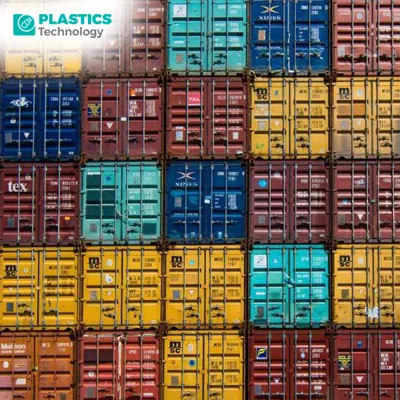
Some of the uses of plastic in packaging include; protection of products, conservation of wastes and ease of shipping in the current supply chain. Similar expansive testing in consumer goods healthcare and other fields is also well exemplified by plastic packaging. Following these understandings, intends and implications of zinging and environmental impacts to the community will be presented.
1. Ensuring Product Protection and Safety
Some of the more important functions of plastic packaging in the chain include offering shielding to products to guard against harm during movement, handling and storing. Most goods such as foods, pharmaceuticals, and electronics require robust, robust packaging to avoid degradation, degradation or contamination. Clarity, flexibility, strength as well as high capacity for sealing associated with plastics make it perfect for such requirements.
In the food industry for instance, plastic packaging bars contamination because air and moisture are agents of putrefaction. This assists in increasing the shelf life of produce, increase shelf life on produce and minimize on wastage on food. Thus, plastic packaging is used to safeguard health, prevent tampering and maintain the sterility of the medicine plus offer protection from bacteria, and other contamination and provide barrier plastic packaging on the products guarantees safety, from the manufacturer all the way to the end consumer.
2. Supporting Cost Efficiency
Affordability is of great concern in any supply chain and looking at the differences in costs, it is clear that plastics costs are somehow cheaper as compared to other packaging materials such as glass, metal or biodegradable packaging and other lightweight packaging is cheaper to produce. Light weight consequently cuts shipping costs; fuel consumption is conserved by manufacturing businesses through the use of plastic packaging. It is something to celebrate because even the smallest saving-per-unit can translate into sizeable savings over the long haul.
Also, plastics can be molded into shape and sizes in a process which can make it easier for packagers to come up with packages suitable for the shape and size of a particular product. This can also lower the amount of material wasted and help to lower the amount of packaging material used which in turn will cut down the transportation and storage costs.
The increased demand for thin gauged plastic films for the same market needs consequently make them economical because, in the production process, the thickness impacts the costs.
3. Improving Supply Chain Efficiency
Effectiveness is always an important factor in any supply chain, and this is made possible by the use of plastic packaging bears convenience. It is easier to deal with it in terms of handling, loading and unloading which makes supply chain time consuming phases to be shortened. The stacking and compression of plastic is challenging due to its durability and flexibility aspects offering improved storage by companies in the warehouses and shipping containers. This is helpful for businesses particularly in transportation since goods take less time to move around.
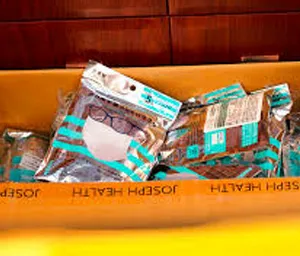
Plastic packaging also render logistic advantages to the companies through easy inventories control. Since it comes in a format that can be made clear or clear it becomes easier to know what is inside without coming across the packaging material. This can be of significant advantage in warehouses or retail business establishments where such factors as restocking for inventory and identification of commodities are major influential considerations. Plastic packaging contributes to the improvement of the supply chain by reducing the movement of items, minimizing the time spent handling it and decrease the time spent managing stock which indeed helps business and consumers.
4. Adapting to Changing Consumer Demands
With these trends, the customer/consumer demands are dynamic and align more with convenient packaging, safety and sustainability of packaging material. To satisfy these requirements, plastic packaging has developed to provide solutions that are acceptable by the consumers. Beginning with re- sealable and easy openable bottles to lite weight yet strong containers, plastic packaging provides convenience that is well appreciated by the consumers.
Moreover, there have been huge demands for using environmentally friendly packaging in the last few years. Whereas in the past, plastic was regarded as causative of environmental problems, new invention of recyclable or biodegradable plastics seem to reverse the position with many organizations now using plastic a recycled material and or material that can be recycled has been adopted and these requirements have been met. Finally, for a product type, they not only satisfy basic functional needs but enable brands with consumers environmentally concerned also to get linked.
5. Supporting Sustainability Initiatives
Plastic packaging and sustainability are another emerging conversation that is not easily categorized. Traditional plastic packaging which is used as a packing material has for long been associated with environmental issues given it’s a slow-decomposable product New solutions assist to minimize these problems Recyclable, biodegradable plastics biodegradable, and compostable products are trending as it assists organizations to take advantage of the plastics while still maintaining a good environment.
For instance, some firms have already commenced the use of post-consumer plastic recycling (PCR) that entail the use of recycled plastic products. This increases the need to reveal new plastics that are clean and ensure that wastes do not find their way to the landfills. In addition, there are biodegradable plastics that degrade in the course of the environment, in order to enhance the goal of sustainability. Despite this, these products can be costly, but they prove a worthy option for those businesses that use plastic packaging and are striving to lessen their effects to the environment through the use of the packing material.
6. Enabling Product Differentiation and Branding
Packaging made from plastic is critical in giving products their individuality from the package. A prominent feature of competitive markets is that packaging is essential to distinguish itself from others and building a brand image. Because plastic can be molded into various colours, shapes and feel, it is easier for companies to develop attractive packaging materials to the company’s image.
For instance, the clear plastic is transparent and lets the inside of a product be seen by customers; it is useful in lines of business such as in foods and cosmetics where it is crucial to have colour of the product shiny or plastic bottles and containers that are creatively designed help increase user familiarity with the brand. Due to flexibility of the plastics, designing of the packing can meet various requirements of manufacturing firms to make easy, attractive statements so as to relieve consume brands of authenticity and customer confidence issues.
7. Addressing Challenges of Plastic Packaging
However much as the plastic packaging has quite a number of benefits it also has quite a number of demerit which most of it are environmental related. Thus, plastic waste is one of the major world issues, millions of tons of plastic packaging become a landfill and marine debris annually. These environmental footsteps have increased research on plastic packaging and increased demand for sustainable alternatives.

Different governments across the globe are coming up with laws that will help alleviate the plastic problem which include; bans on single-use plastics; mandatory recycling; and enforcement of environmental friendly products environmental use in not encouraged for firms and businesses these measures mean enhancing the quality of their supplies and looking for options for single use plastics. Recyclable and biodegradable plastics have been put forward as possible solutions but are usually expensive and not as readily available as conventional plastics Cost, performance – an efficiency and sustainability dilemma that is well understood by those companies which need plastic packaging in their production chains.
8. The Future of Plastic Packaging in Supply Chains
It can be suggested that the further development of the plastic packaging within the supply chain is very likely to continue to focus on solutions on how to optimize the processes while achieving the sustainable goal. In light of this, as sustainable practices become the norm for both buyers and sellers, organizations are seeking new plastics and more friendly packaging materials.
Research on bioplastics obtained from renewable sources for instance corn starch is being undertaken and several firms are introducing these materials. Such bioplastics can disintegrate within natural environment within very short time and has given the right direction towards solving the bad plight of plastics.
However, there will be improvements to the efficiency of separate recycling processes for plastics as new technologies in the recycling business surface. Economics can be made more circular in plastic packaging with innovations such as chemical recycling, which disintegrate plastics into recyclables. This allows companies to use recycled plastics multiple times more, reducing the need for new plastics and reducing waste.
Conclusion
Consumer packaging constitutes a crucial element to today’s supply chain since it offers creative attributes to extend support to logistics that enhances the logistical requirements of supporting the production process while simultaneously eating flexible needs for manufacturing and production and its environmentally-friendly plastic packaging in the coming years, balancing its unlimited supply chain needs without compromising the environment. Overall, apart from perceived positives such as convenience, plastic packaging is necessary in the supply chain; more attempts towards making them sustainable will be world-impacting.
 Media Pack Download
 Newsletters
 Industrial Events