
Top 10 Breakthrough Technologies for Plastic Recycling

The buildup of plastic waste throughout global environments represents a major worldwide crisis because millions of tons of plastic materials settle in both landfills and marine habitats and ecological systems. The recycling efforts that address plastic waste lack effectiveness because of destroyable materials and contamination among other factors. Technological developments from recent years transformed plastic recycling into an operation that delivers effective results at reduced costs along with environmentally sustainable practices. The future of plastic recycling demonstrates ten groundbreaking technologies which we analyze in this article.
1. Chemical Recycling (Depolymerization)
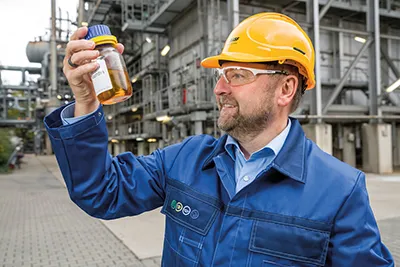
Depolymerization or chemical recycling transforms waste plastic into the molecules from which it originated so industry can create new plastics with original qualities. The method ensures plastic quality along with retention by ensuring full integrity of materials which dramatically enhances the potential of circular economy models.
Key Benefits:
- Converts plastics back to virgin-quality materials
- Reduces dependency on fossil fuels
- Can recycle mixed and contaminated plastics
Challenges:
- High energy requirements
- Scalability issues
2. Enzymatic Recycling
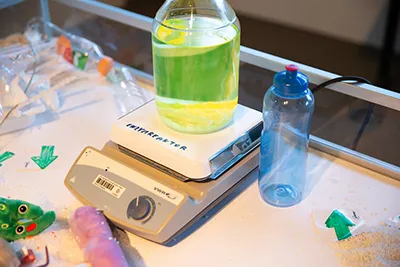
Specialized enzymes discovered by scientists allow the breakdown of plastics including PET into their fundamental raw materials. PETase works as an enzyme to break down PET plastic into its basic structures thus enabling genuine closed-loop recycling.
Key Benefits:
- Highly selective process with minimal waste
- Works under mild conditions (low temperature, atmospheric pressure)
- Can handle contaminated plastics
Challenges:
- Efficiency improvements needed for industrial-scale deployment
- High production costs for enzymes
3. Advanced Pyrolysis (Plastic-to-Fuel Conversion)
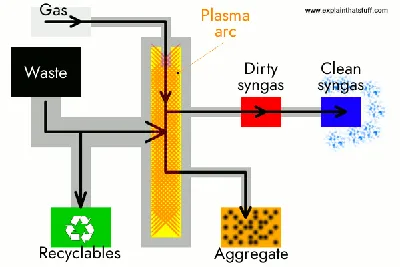
The fuel production process through pyrolysis puts plastic waste in an oxygen-depleted environment to generate thermal breakdown. The process enables the creation of synthetic fuel products including artificial diesel as well as gasoline and aviation fuel for non-recyclable plastics.
Key Benefits:
- Reduces landfill waste
- Converts low-value plastics into high-value fuels
- Works with a variety of plastic types
Challenges:
- High initial investment costs
- Carbon emissions from fuel use
4. Solvent-Based Recycling
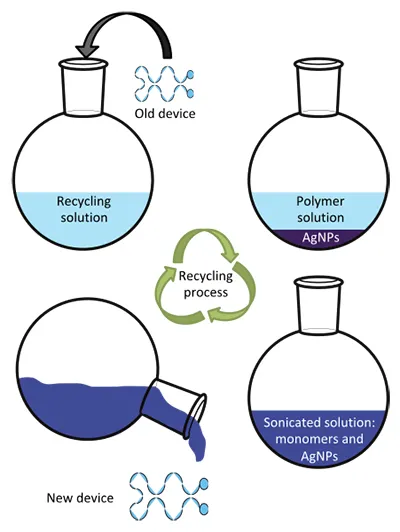
Plastics dissolve in this method when solvents break them apart from additives and dyes and other contaminating elements. After purification the recovered plastic obtains sufficient quality to become raw material for future products.
Key Benefits:
- Produces near-virgin-quality plastics
- Can remove contaminants effectively
- Suitable for a wide range of polymers
Challenges:
- Chemical solvent safety and disposal concerns
- Expensive for large-scale implementation
5. Microbial Decomposition
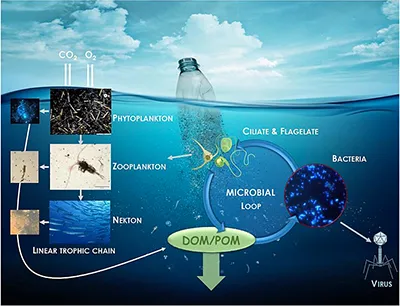
Scientists use bacteria and fungi as microorganisms to achieve natural plastic degradation that produces harmless end products. Laboratory studies indicate that Ideonella sakaiensis among other bacteria demonstrates efficient PET plastic decomposition abilities.
Key Benefits:
- Environmentally friendly with no toxic byproducts
- Potentially scalable for industrial applications
- Can work in landfill environments
Challenges:
- Slow degradation process
- Need for further research and optimization
6. AI-Powered Sorting Systems

Recycled plastic materials present difficulties because of the necessity to effectively sort various plastic types. Using machine learning together with computer vision elements in sorting systems allows for higher accuracy and improved separation speed among plastic materials.
Key Benefits:
- Reduces contamination in recycling streams
- Increases efficiency in waste management facilities
- Lowers operational costs over time
Challenges:
- High initial setup cost
- Requires continuous updates and maintenance
7. Plasma Pyrolysis
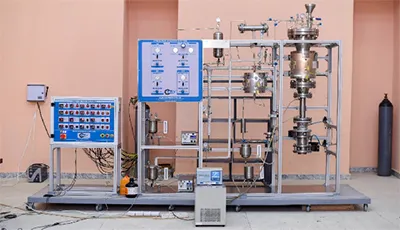
Plasma pyrolysis represents an advanced version of this process since it employs high-temperature plasma torches to transform plastic waste into synthetic gas (syngas) which creates energy or chemical products for industrial needs.
Key Benefits:
- Highly efficient waste-to-energy conversion
- Reduces reliance on landfills
- Can handle mixed plastic waste
Challenges:
- High operational costs
- Requires specialized infrastructure
8. Blockchain for Transparent Recycling
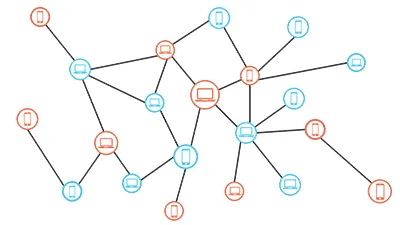
Blockchain has transformed the way organizations monitor and validate their plastic waste recollection operations. Digital ledger technology creates an unalterable system that makes waste collection processes alongside processing operations and material reuses fully transparent.
Key Benefits:
- Prevents fraud and greenwashing
- Enhances accountability across supply chains
- Encourages consumer participation in recycling programs
Challenges:
- Requires widespread adoption
- Data privacy concerns
9. Biodegradable and Bio-Based Plastics
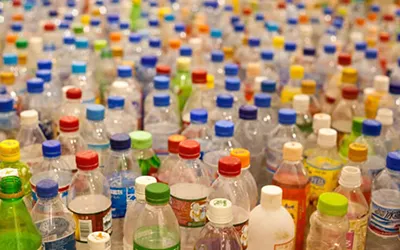
Biodegradable plastics represent a sustainable plastic-based replacement for traditional plastic materials although they do not strictly fall under the category of recycling. These alternative plastics are manufactured through sugarcane or algae and corn starch and they have the ability to break down without any help from nature thus combating pollution.
Key Benefits:
- Reduces reliance on petroleum-based plastics
- Minimizes long-term environmental damage
- Can be composted under industrial conditions
Challenges:
- Requires specific composting conditions
- May not be compatible with traditional recycling systems
10. Electrochemical Recycling
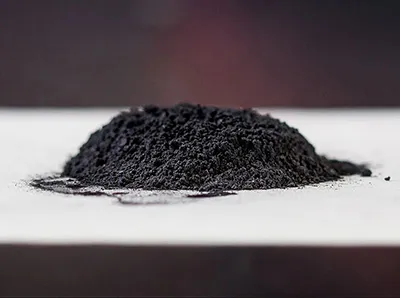
Plastic decomposition into reusable elements becomes possible with electricity by using electrochemical methods. This new technology functions as a sustainable energy-efficient solution to outdated traditional systems.
Key Benefits:
- Minimal carbon emissions
- High recovery rate for valuable materials
- Potential for decentralized recycling facilities
Challenges:
- Still in early research stages
- High energy input requirements
Comparison of Key Technologies
| Technology | Efficiency | Environmental Impact | Scalability | Cost |
| Chemical Recycling | High | Low | Medium | High |
| Enzymatic Recycling | Medium | Very Low | Low | High |
| Advanced Pyrolysis | Medium | Medium | High | Medium |
| Solvent-Based Recycling | High | Low | Medium | High |
| Microbial Decomposition | Low | Very Low | Low | Low |
| AI-Powered Sorting | High | Low | High | Medium |
| Plasma Pyrolysis | High | Medium | High | High |
| Blockchain | High | None | High | Medium |
| Biodegradable Plastics | Medium | Very Low | High | Medium |
| Electrochemical Recycling | High | Very Low | Low | High |
Final Thoughts
Advanced technologies direct plastic recycling toward its future development through methods which come with specific advantages and limitations. Multiple breakthrough innovations need to work together as the perfect solution for addressing the global plastic crisis. These technologies will drive the creation of a sustainable circular system for plastic utilization as they progress.
Of the listed technologies which solution holds the greatest potential? The list of exciting plastic recycling breakthroughs should it include any other recent advancements. Let us know your thoughts!
 Media Pack Download
 Newsletters
 Industrial Events