
What Advances Are Being Made in Polymer Engineering?
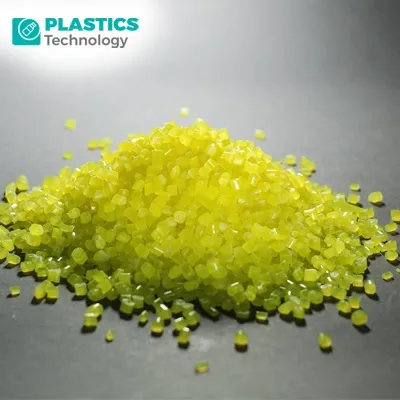
Polymer engineering, a branch of materials science that focuses on designing, analyzing, and modifying polymers, is at the forefront of numerous technological innovations. Polymers, which are large molecules composed of repeated subunits, are integral to countless applications, ranging from everyday household items to advanced medical devices and aerospace components. The field of polymer engineering is continuously evolving, driven by the need for materials that are more durable, sustainable, and versatile. This article delves into the recent advances in polymer engineering, highlighting significant breakthroughs and their implications for various industries.
1. Sustainable Polymers
One of the most pressing challenges in polymer engineering is developing sustainable polymers to reduce environmental impact. Traditional polymers, such as polyethylene and polypropylene, are derived from non-renewable fossil fuels and contribute significantly to plastic pollution. In response, researchers are focusing on bio-based polymers, which are derived from renewable resources like corn starch, sugarcane, and cellulose. These materials offer comparable properties to conventional plastics but are biodegradable, reducing their environmental footprint.
Recent advancements in sustainable polymers include the development of polylactic acid (PLA), a biodegradable polymer made from fermented plant starch. PLA is being increasingly used in packaging, disposable cutlery, and even medical implants. Another exciting development is the creation of PEF (polyethylene furanoate), a bio-based polymer with superior barrier properties compared to PET (polyethylene terephthalate). PEF can extend the shelf life of packaged foods and beverages, making it a promising alternative for the packaging industry.
2. High-Performance Polymers
High-performance polymers are engineered to withstand extreme conditions, such as high temperatures, chemical exposure, and mechanical stress. These materials are crucial in industries like aerospace, automotive, and electronics, where reliability and durability are paramount.
One significant advancement in this area is the development of polyimides, which can maintain their properties at temperatures exceeding 300°C. Polyimides are used in a variety of high-temperature applications, including flexible electronics, insulation for wires, and components in jet engines. Similarly, PEEK (polyether ether ketone) is another high-performance polymer known for its exceptional mechanical properties and chemical resistance. PEEK is used in demanding applications such as medical implants, where it can replace metals due to its biocompatibility and radiolucency (invisibility to X-rays)
|
Also Read : Polymer Blends and Alloys: Innovations for Enhanced Performance |
3. Smart Polymers
Smart polymers, also known as stimuli-responsive polymers, can change their properties in response to external stimuli such as temperature, pH, light, or electric fields. These materials are finding applications in fields like biomedicine, sensors, and soft robotics.
Thermo-responsive polymers, for instance, can undergo reversible phase transitions at specific temperatures. A well-known example is poly(N-isopropylacrylamide) (PNIPAM), which is soluble in water at room temperature but precipitates out of solution when heated above its lower critical solution temperature (LCST). This property makes PNIPAM useful in drug delivery systems, where it can release drugs in response to the body’s temperature.
Another intriguing development is the use of light-responsive polymers in the creation of self-healing materials. These polymers contain molecular bonds that can break and reform when exposed to light, allowing the material to repair itself after damage. Such self-healing polymers have potential applications in coatings, electronics, and even structural materials.
4. Nanocomposites
Nanocomposites are materials that incorporate nanoparticles into a polymer matrix, significantly enhancing the properties of the base polymer. The addition of nanoparticles, such as carbon nanotubes, graphene, or silica, can improve mechanical strength, thermal stability, electrical conductivity, and barrier properties.
Graphene-based nanocomposites, for instance, have shown remarkable improvements in mechanical strength and electrical conductivity. These materials are being explored for use in flexible electronics, conductive coatings, and advanced batteries. Similarly, the incorporation of silica nanoparticles into polymers can enhance their thermal stability and barrier properties, making them suitable for high-temperature applications and improved food packaging.
5. Advanced Manufacturing Techniques
The development of new manufacturing techniques has also played a crucial role in advancing polymer engineering. Additive manufacturing, or 3D printing, has revolutionized the way polymers are processed and used. This technology allows for the creation of complex, customized shapes with precise control over material properties.
| Also Read: Understanding Polymer Chemistry: The Backbone of Plastics Technology |
Recent advances in 3D printing include the development of multi-material printing, which enables the combination of different polymers with varying properties in a single print. This capability is particularly useful in creating complex medical devices, such as prosthetics and implants, where different parts of the device require different mechanical properties and biocompatibility.
Another exciting development is the use of advanced techniques like electrospinning and 3D bioprinting to create polymer-based scaffolds for tissue engineering. These scaffolds can support the growth of cells and tissues, offering promising solutions for regenerative medicine and organ transplantation.
6. Polymer Recycling and Circular Economy
As the world grapples with the environmental impact of plastic waste, advancements in polymer recycling and the circular economy are becoming increasingly important. Researchers are developing new methods to efficiently recycle and upcycle polymers, transforming waste materials into valuable products.
Chemical recycling, for example, breaks down polymers into their monomers or other useful chemicals, which can then be used to produce new polymers. This process offers a way to recycle plastics that are difficult to process through traditional mechanical recycling methods. Enzymatic recycling, which uses enzymes to degrade polymers into their constituent monomers, is another promising approach being explored for polyester recycling.
Moreover, the concept of a circular economy, where materials are kept in use for as long as possible, is driving innovation in polymer engineering. Designing polymers for recyclability, creating products with extended lifespans, and developing biodegradable materials are all strategies being pursued to minimize waste and promote sustainability.
7. Biomedical Applications
Polymers play a critical role in the biomedical field, where they are used in everything from drug delivery systems to tissue engineering scaffolds and medical devices. Advances in polymer engineering are leading to the development of new materials with enhanced biocompatibility, functionality, and performance.
One notable area of progress is in the design of polymer-based drug delivery systems. These systems can encapsulate drugs and release them in a controlled manner, improving therapeutic efficacy and reducing side effects. Advances in polymer chemistry have led to the creation of hydrogels, micelles, and nanoparticles that can deliver drugs to specific sites in the body, responding to stimuli such as pH or temperature.
In tissue engineering, biodegradable polymers are being used to create scaffolds that support the growth of new tissues. These scaffolds provide a temporary structure for cells to adhere to and proliferate, gradually degrading as the new tissue forms. Polymers like polyglycolic acid (PGA) and polylactic-co-glycolic acid (PLGA) are commonly used in these applications due to their biocompatibility and tunable degradation rates.
8. Conductive Polymers
Conductive polymers, which can conduct electricity, are opening up new possibilities in electronics, sensors, and energy storage. Unlike traditional conductive materials like metals, conductive polymers are lightweight, flexible, and can be processed using conventional polymer techniques.
Polyaniline, polypyrrole, and poly (3,4-ethylenedioxythiophene) (PEDOT) are examples of conductive polymers that have been extensively studied and used. These materials are being incorporated into flexible electronics, wearable sensors, and organic solar cells. The ability to print conductive polymers onto flexible substrates is particularly advantageous for developing lightweight, flexible, and wearable electronic devices.
Conclusion
The field of polymer engineering is witnessing rapid advancements, driven by the need for materials that are more sustainable, high-performing, and versatile. From sustainable and high-performance polymers to smart materials and advanced manufacturing techniques, these innovations are transforming industries and improving the quality of life.
As researchers continue to push the boundaries of polymer science, we can expect to see even more exciting developments in the future. The integration of polymers with nanotechnology, biotechnology, and advanced manufacturing holds the promise of creating materials with unprecedented properties and functionalities, paving the way for new applications and solutions to some of the world’s most pressing challenges.
 Media Pack Download
 Newsletters
 Industrial Events