Understanding Polymer Chemistry: The Backbone of Plastics Technology

Here is all that you wanted to know about polymers, the building blocks of plastics or highly stable chain like macromolecules known to be a very essential part of the society starting from the packing material to the interiors of cars, from clinical instruments to the everyday use articles. It is therefore impossible to overemphasize the knowledge that one has on the chemistry of the polymers when it comes to the issue of embracing opportunities offered by the plastic’s technology. In this article, the reader is getting an initial acquaintance with the given field of knowledge – polymer sciences, the chemical properties of polymers, their applications, and actualization of their significance in many spheres.
What Are Polymers?
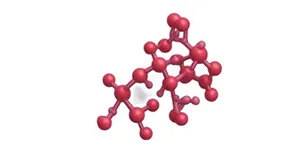
At its most basic level, polymers simply has to be defined as a host of big molecules that is made up of smaller molecules known as the monomers. Copolymers are polymers which consist of two and more different monomers connected by the method of polymerization and which form chains and networks that may be of different length and structure.
The properties of the final polymer depend and on the kind of monomers involved, their order and the process of polymerization. Natural polymers include cellulose and rubber and artificial polymers include poly ethylene and nylons. However when comparing natural polymers with synthetic polymers it is worth to note that while natural polymers have been used from the early man, synthetic polymers were in use in the twentieth century.
Types of Polymerization
Condensation a process in where monomers are joined together through polymerization to form polymers. There are two main types: group by: addition polymerization as well as condensation polymerization. The other method of polymerization is addition polymerization also known as chain growth polymerization in which monomers are added in a successive manner to an active site of a chain. This method is used in the synthesis of the polymer such as polyethylene, polypropylene and polystyrene. Technically, the process needs to be set into operation and also, to be controlled from ‘outside’, which is performed by an initiator and a catalyst.
Condensation polymerization or step polymerization is a polymerization mechanism in which two monomers react to produce a polymer and eliminate a low molecular weight material, commonly water. Polymerization process is also used in production of other polymer products for example nylon, polyester and poly urethane.
On this it has flexibility in the sense that it can be employed to generate many types of material with dissimilar properties.
Classification of Polymers
This article is going to classify polymers based on structure, their source, and thermal stability. From a structural point of view, they can be mostly linear with long chains that do not branch; branched, having short chains that branch off from the longer one, such as the low density polyethylene; or cross linked, in that the long chains are inter connected as in vulcanized rubber. Based on origin polymers can be natural polymers for example silk or wool and synthetic polymers for example polystyrene.
Thermal behavior further distinguishes polymers. Thermoplastics, like PVC and polystyrene, can be melted and reshaped repeatedly, while thermosetting polymers, such as epoxy resins, harden irreversibly upon heating.
Properties of Polymers
The use of polymers is worthwhile when one wants to choose a polymer inherent in specific physical/chemical properties. They can be hard and brittle, soft and flexible and as strong and impact and elongation resistant as required based on arrangement of a polymer chain and molecular size.
In thermal properties, thermoplastics are known to soften whenever they are exposed to heat on the other hand thermosets do not melt but decompose on being heated. From a chemical point of view polymers are relatively immune to many substances, hence their use in packaging and industry. From an electrical perspective, they are associated with such applications as insulators used in cables and conductive polymers constituting electronics.
Applications of Polymer Chemistry in Plastics Technology
As known in the field of chemistry, various plastics types embraced by modern technology have been impacted with polymer chemistry. Poly ethylene and poly ester terephthalate or PET are widely used polymers in the packaging sector because of their light weight and high durability coupled with low cost making them a common feature in food and beverages packaging. In automotive applications, those polymers that offer high performance cut vehicle mass thus enhance fuel economy/features such as polycarbonate in headlights and polypropylene for bumpers.
The medical industry of application enhances from inert and biocompatible polymers like silicone and polyethylene used in implants, prosthetic devices as well as drug carriers. In the electronics industry, conductive polymers are used in printed circuit board, sensors and display. However, the construction industry uses tough polymers as pipes, insulation, as well as flooring which are PVCs and HDPE.
Innovations in Polymer Chemistry
Polymer chemistry progresses, as it responds to multifaceted world problems, and fosters advancement. Polymer physical properties enable natural degradation while biodegradable polymers are derived from renewable sources. For instance, polylactic acid (PLA) is now being incorporated into the compostable packaging. Where efficient methods are used, like chemical recycling, they restore monomers to form new polymers thereby supporting circular economy.
There is smart polymer that is sensitive to certain conditions such as temperature, pH or light to be used in self-healable materials as well as drug delivery. Fiber reinforced polymer composites with the addition of nanoparticles to different polymers increases mechanical and thermal stabilities, electrical conductivity to be used in aerospace and high-tech applications.
Environmental Considerations
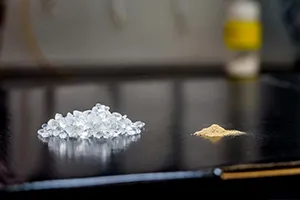
However, excessive use of synthetic polymers has been a major problem due to its non-biodegradable nature hence causing much problems to the environment. Of course, to respond to these concerns, there is a need to create bioplastics which are produced from renewable feedstock materials, improve recycling with the help of better waste management practices and increasing people’s awareness, and regulation and legislation. Proper use of single-use plastics has been a significant issue in the environmental preservation hence the governments around the world are putting measures to reduce proper use plastics.
Conclusion
This is a well-developed branch of chemistry at the base of plastics technology that creates the opportunity to generate polymers for multiple applications in various fields. Used in everything from packaging to cars to the healthcare industry and electronics, polymers are a part of life. However, the future of polymer chemistry is in greener chemistry including the synthesis of biodegradable polymers, enhanced recycling routes and circular economy strategies. Polymer chemistry will thus keep on creating a new world with the use of innovation and sustainability.
 Media Pack Download
 Newsletters
 Industrial Events