Top 10 Emerging Bioplastics Companies Revolutionizing the Industry
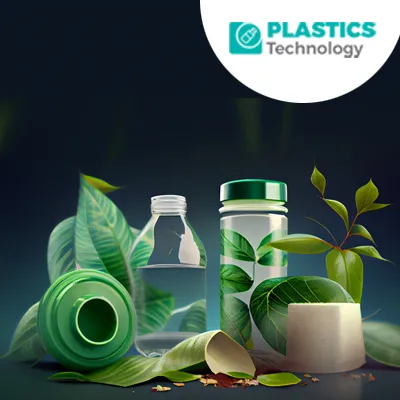
It is evident that many of the entrepreneurs that have embarked on producing bioplastics are stepping up their innovation in reaction to the growing demand for sustainable material in the global market. These new materials are eco-friendly to cut down the effect of pollutants in the environment while having comparable properties to normal plastics. Here, the focus is made on the roll out of the top 10 emerging companies to drive the market of bioplastics.
1. NatureWorks
Headquarters: Minnesota, USA
Core Innovation: PLA (polylactic acid)-based plastics
NatureWorks is one of the world’s leading provider of Ingeo™ biopolymers based on renewable resources such as corn. As one of the most acknowledged sustainable bioplastics businesses, their products meet most industrial requirements while considering earth’s welfare. These bioplastics are used in packaging materials, disposable consumer-usable products, and even in 3D printing systems. Beneficially, NatureWorks conscious effort of using renewable resources thus cuts down the emission of green gas as compared to conventional plastics production. Their partnerships make sure that their products are used in a diverse range of sectors such as food wrapping and medical.
| Also Read: The Rise of Bioplastics: Opportunities for Industrial Adaptation |
2. Novamont
Headquarters: Novara, Italy
Core Innovation: Compostable bioplastics
Mater-Bi is the leading product of Novamont and is a biodegradable material that Novamont applies in the agricultural sector, packaging and disposal of food stuffs. Its products break down on their own, which promotes the circular economy business model. Novamont is also focused in research and innovation, to develop new products to increase the uses of compostable plastics. The fact that they take an active part in pushing for legislative changes that encourage sustainability is proof of their dominant position on the market.
3. Bioplastics International
Headquarters: Arizona, USA
Core Innovation: Plant-based water-soluble plastics

This company manufactures new generation biodegradable plastics for the food industry and for medical. Their water soluble solutions have been picked up in applications that are becoming disposable, for example straws and packaging materials. Through providing a wide range of multidirectional products which are recyclable, Bioplastics International is solving the problem of pollution in general, with the focus on ocean pollution. Their focus on education and creating awareness on the bioplastic products makes them part of the industry stakeholders.
4. Good Natured Products
Headquarters: Vancouver, Canada
Core Innovation: Plant-based everyday products

Good Natured aims to produce eco-friendly packaging and household products and waste reduction. They provide compostable containers, plates and storage solutions designed to act as effective alternatives to plastic. The fact that the company has fully displayed its supply chain and focuses on environmentally-friendly products is well supported by environmental-friendly consumers.
Various retailers and producers of food can agree to partnership with Good Natured in order to supply their products.
5. RWDC Industries
Headquarters: Georgia, USA, and Singapore
Core Innovation: PHA (polyhydroxyalkanoates)-based bioplastics

RWDC employs plant based oils to produce PHA as a completely biodegradable plastic materials for straw, utensil and bags. Their intention is to eliminate single use plastics globally. Having operating facilities in two regions – the United States and Asia – RWDC is poised to ramp up its production in response to increasing international demand. The company also works closely with leading academic institutions, as well as research and development organizations to improve the performance and reduce cost of its products.
6. Total Corbion PLA
Headquarters: Gorinchem, Netherlands
Core Innovation: High-performance PLA bioplastics
As a combined venture between France-based TotalEnergies and American biotechnology firm Corbion, this company offers industrial and consumer compostable bioplastics. Total Corbion PLA has successfully produced bioplastics for high heat application like in coffee cups and the automotive industry. They are all about developing long lasting but environmentally friendly products making them ideal partners to the many industries that are concerned with the environment.
7. Danimer Scientific
Headquarters: Georgia, USA
Core Innovation: PHA-based materials for food packaging

Danimer explains that on a continuing basis it centers on sustainable solutions in single-use plastics such as straws, lids, and containers. Its Nodax PHA captures the FDA approval for food contact uses; therefore, it appeals to the food and beverage segment. Due to Danimer’s direct partnering with prominent brands it has unleashed application such as biodegradable snack wrapping and cutleries. The fight against pollution of oceans is among their corporate responsibilities and goals.
8. Avantium
Headquarters: Amsterdam, Netherlands
Core Innovation: PEF (polyethylene furanoate) for packaging

Avantium’s PEF that is synthesized from plant sugars is the frontrunner to replace PET in beverage bottles and films due to superior barrier properties and considerably lower carbon footprint. Over the years, through partnering with some of the biggest beverage manufacturers and packaging manufacturers, the company has become a leader in providing sustainable solutions for packaging. Avantium’s best efforts to use innovative technologies and pilot projects to show that they are changing the future of plastics for better are evident.
9. PolyMaker
Headquarters: Shanghai, China
Core Innovation: Biodegradable solutions for agriculture

PolyMaker focusses on creating bio-based plastics for mulch films and packaging for environment-friendly farming. Their products are useful for enhancing the quality of the soil in addition to reducing the uses of the synthetics in the agricultural practices.
With Asia as its market, which includes the lands facing some environmental problems, PolyMaker is considerable to the world’s bioplastics market. This is due to their focus on the low cost of food production and the ability to expand quickly, they are important components to the sustainability of agricultural business.
10. Toyo Styrene
Headquarters: Tokyo, Japan
Core Innovation: Recycled and biodegradable plastics

Toyo Styrene combines bioplastics into the old recycled materials that are produced and used as hybrids by auto and electronics industries. By combining, recycling and use off biodegradable materials, the component has recycled parts of the product and uses biodegradable moulded parts of the product. Exploring the use of high-performance materials makes Toyo Styrene products conform to industries’ requirement while creating a sustainable world at the same time.
Why Bioplastics Matter?
• Environmental Impact: Sulphur containing fuels result in the reduction use of fossil fuels and found to minimize plastic wastes.
• Consumer Demand: Any enhancing effect to environment awareness thus creates demand for such alternatives.
• Regulations: World governments are calling for biodegradable products to replace current worldly products to reduce pollution.
Bioplastic production is no longer a concept of neutralization of the world from pollutants, as well as the concept of a new generation of materials that could be an organic part of the environmentally and economically effective picture. The companies mentioned in this text, are pioneers of this revolution and proof that it is possible to create value and be sustainable.
Industry Challenges
However, bioplastics bring challenges such as cost, competition, the ability to scale production and managing of waste products. Some bioplastics can only degrade under certain conditions which are not available in the environment. However, due to the fact that people consider bioplastics to be more costly than conventional plastics, the number of those that are willing to adopt bioplastics; especially in regions where a company is operating on a low budget can be drying. To overcome these challenges, innovation and policy improvements remain critical in growth of the industry.
Future Outlook
The market has projected a potential opportunity of more than 16000 million tonnes in the next decade to bioplastics. Sustainable procurement of raw materials, manufacturing and end of life solutions will define which organization is best positioned to lead this green revolution. At the same time, climate change and pollution of the oceans with a plastic, improving the environmental systems, companies will definitely be a win-win both in relation to the environment and the consumer and competitor relationships.
Bioplastics are not just the latest fad; they are the indication of a new way of doing things. Industries can cut carbon dioxide emissions, conform to the intent of current regulations, and satisfy the public’s increasing concern for environmentally friendly products with bioplastics. The companies listed here are therefore leading the way for this shift to sustainable business models; it’s clear that being sustainable is not incompatible with being profitable.
 Media Pack Download
 Newsletters
 Industrial Events