Blow Molding vs. Rotational Molding: Choosing the Right Process

Choosing the ideal way to manufacture plastic can be as difficult as assembling a puzzle. There are plenty of machines available, chosen by their purpose, materials or the volume of parts produced. Two techniques frequently talked about in plastic molding are blow molding and rotational molding. However, it is not always clear which approach is most important for superb products. We should examine the unique world of plastic molding processes to learn the reasons behind the differences and similarities between the two systems.
Understanding the Basics: What Is Blow Molding?
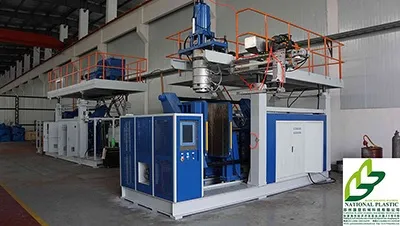
The principle of blow molding is that it allows for forming hollow tubes or vessels from plastic. Blow molded products are often found in the form of shampoo bottles, milk jugs and automotive ducts. First, the heated plastic tube is expanded until it forms to the shape of the mold cavity. The result? This product is light in weight and has a reliable consistent shape.
The main appeal of blow molding for manufacturing is how fast and efficient it is. Producing large volumes is made easy, providing consistency not found in most other plastic molding processes. In packaging, automobile making and consumer goods, blow molding is a very useful approach thanks to its ability to increase production.
What Makes Rotational Molding Unique?
On a different note, rotational molding or rotomolding, is sometimes used because its slow pace allows for a wide range of applications. Here, powdered plastic goes into a mold and it is heated while it is spun on different axes.
The plastic melts while the heat is on, filling the mold from the inside and when it cools, the process forms a solid hollow part.
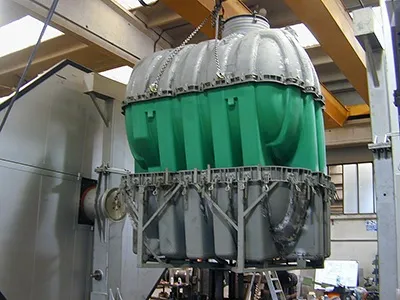
Rotational molding works at a slower pace than injection or blow molding, but it also has strong points. Large and seamless items like tanks, products for playgrounds and kayaks are created successfully using the process. Each part can have a smooth and regular thickness which helps avoid wasting any material.
Diving Deeper: Plastic Molding Techniques Comparison
The most interesting point is to compare plastic molding techniques using blow molding and rotational molding. They are both aimed at creating usable goods from plastic, even if they get there very differently.
The process is quick and reliable for making things in large quantities. The best outcomes are attained with thermoplastics such as PET, HDPE and PP. It allows for creating tough yet lightweight containers using very little effort from workers. If you make thousands of uniform pieces each day, blowing molding is the best choice for you.
At the same time, rotational molding allows designers to have more options. Looking for a part that has detailed cavities or winding curves? You can rely on rotomolding to do it. Although it is not fast, injection molding and thermoforming often struggle with keeping hollow and large products resistant to stress and strong.
The Role of Injection Molding and Thermoforming in the Mix
Why not use more than two techniques for activities? For us to notice the effects of blow molding and rotational molding, we should compare them with methods like injection molding and thermoforming.
Injection molding is the name that everyone recognizes in the world of plastics. Due to advances, it is fast, highly repeatable and can produce detailed parts with tight tolerances. However, when you need to produce large hollow items, rotational molding is a much better option than injection molding.

Because wall thickness is consistent, there is no need for expensive welding after the part is made.
Much like welding, thermoforming has some drawbacks as well. The process is faster than rotomolding, even though it cannot produce hollow things made from one piece and with even strength.
A Closer Look at Blow Molding Advantages in Manufacturing
Blow molding shouldn’t be ignored for its impressive capabilities. In addition to creating massive copies, the assembly line can handle some changes to the product design. Designing handles, adjusting thread shapes and adjusting different wall thicknesses into a mold saves the need for extra processing after molding.

One more benefit of blow molding in manufacturing is that it helps conserve resources. Because it produces very little scrap, rotational plastic molding is considered both economical and eco-friendly. Because being sustainable is mandatory nowadays, this feature makes a huge difference.
The Innovation Race: Who’s Keeping Up?
Plastic manufacturing processes are successful because they focus on innovation. In both cases, there have been improvements in terms of speed, energy use and creating more detailed designs. Rotomolding now uses technology and smart ways to regulate heat, but blow molding is now joining forces with injection molding to reach improved precision.
Rotational molding, injection molding and blow molding cannot be seen as exclusive to each other in this topic. Actually, modern factories commonly use different techniques to reach their targets. This is what goes on to bring other plastic molding methods closer together and offer more options.
So, Which Process Should You Choose?
Picking between blow molding and rotational molding requires thinking ahead and planning effectively. Is it important to create products that are all the same or would making each product unique be more tempting? Is ensuring the product is strong more important than how quickly it is produced? Have you decided whether you want shapes in your design to be simple or complex?
Reflect on whether it is speed and scalability or strong design and shape that will make your product work best, since that is what the processes offer. Another question to ask is if comparing with thermoforming or injection molding will be necessary to pick the most suitable process.
In essence, choosing the right techniques also opens up possibilities for your project. Since plastic manufacturing is not static, the solution must be individualized for every project.
Final Thoughts: Keeping Curiosity Alive
Regardless of whether you design, produce or just find plastics interesting, plastic molding processes will capture your interest. Blow molding and rotational molding prove that innovation, engineering and creativity work together in this sector.
Therefore, whenever you get a plastic item, stop and question: Was blow molding or rotomolding the method they used? Which factors influenced the way it was built, its durability and how it works? These answers could impress you and may lead to your next major idea for molding plastics.
A comparison between spinning, pressing and blowing methods ensures you are prepared to use them appropriately and wisely in the industry.
 Media Pack Download
 Newsletters
 Industrial Events