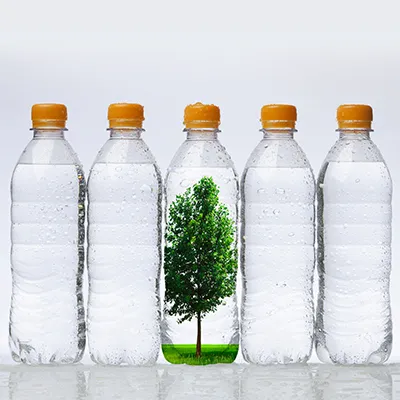
Plastics Technology 2.0: Breakthroughs in Sustainable and Advanced Materials
Introduction to Plastics Technology 2.0
The world of plastics is slowly transitioning to what may be called “Plastics Technology 2. 0.” This change is characterized by the application of fresh materials that have enhanced the sustainability and the performance as well. Therefore, there is enhanced concern towards the use of plastics in the global market because of its impacts on the environment; although the plastics industry is trying to look for ways and means of minimizing the impact of plastic usage in the environment and usefulness of the plastics material.
The Push for Sustainability
One of the forces that are driving this Plastics Technology 2. 0 is the urgency of getting more sustainable material. The regular plastics derived from non-renewable sources like petroleum have been under a lot of criticism due to its environmental impacts and high pollution levels due to their non-degradable characteristics. Moreover, now there are a plenty of new works regarding the creation of bioplastics which originated from renewable sources like corn, sugarcane and even algae. Both these bioplastics are claimed to be biodegradable, or compostable which means that they have a much smaller effect on global environment. Even there are some developed materials that are capable to decompose faster in certain situations, that is why there is no problem with using plastics in both on-shore and off-shore facilities.
Advanced Materials for Enhanced Performance
Other than sustainability, the following headed the list of Plastics Technology 2. 0 is also concerning the improvement of the plastic material’s performances. The developments that have been observed in the polymer science include the plastics which are stronger, more durable and lighter than the conventional plastics. For example, high performance polymer has been adopted in automobile and aircraft industries since the material used is subjected to very rigorous environments and at the same time, there is the necessity to use light materials. These advanced plastics do not only enhance the efficiency of the product and its safety but also help in saving energy through light weight vehicles and aircrafts.
Recycling and Circular Economy
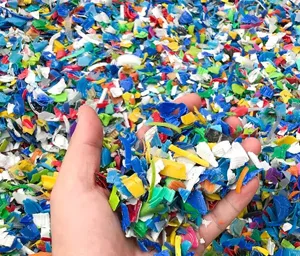
Another important component that is going to be covered in the subsequent part of the paper is the Plastics Technology 2. 0 is the shift, towards a circular economy. In the linear economy model, plastics are manufactured, used and disposed of in the environment in the course of their lifecycle. But the new processes should be geared towards the firm’s ability to recycle and reuse certain material to reduce the waste flow.
New technologies are being invented to enable the recycling process of plastics to their basics to form new plastics that are as good as new plastics derived from chemicals. This not only helps to cut down the demand of fresh raw materials but also assist in solving the increasing menace of plastic pollution.
Innovative Applications of New Plastics
The newer generation of plastics is bringing out new opportunity front for several industries. For instance, healthcare is a sector that has received the effects of biocompatible and biodegradable plastics use in the manufacture of medical facilities and drugs. These materials provide better opportunity for the patient and at the same time provide low environment effect. In packaging, improved barrier new plastics are being used to enhance the shelf life of foods, draw out the shelf life of foods to reduce food losses hence food insecurity in the society.
Challenges and Future Directions
Nonetheless, there are still issues that need to be solved in the content of Plastics Technology 2.0. Sustainable and advanced materials as a class often carry a higher unit cost when compared to utilizing traditional plastics and therefore are not adopted on a broad level immediately. Moreover, it is necessary to reach consensus on improving the microstructure and mechanics of new materials to facilitate the universalization of these new materials and to establish appropriate standards and laws for their application. In the future, it is cordially advised that more studies and partnerships between producers, academic communities, and policymakers will be required for overcoming these hurdles and achieving the maximum benefits brought up by Plastics Technology 2. 0.
Conclusion:
For scientist working on materials science, 0 symbolized a giant step forward. While the traditional image of plastics has been associated with pollution and causes adverse effects on the environment, the need to create and develop new generation, sustainable, high performance and innovative plastics present great opportunities to solve some of the society’s current environmental challenges as well as create better and diverse opportunities for the industry. As the technology of these advanced materials remain to improve they have attracted a broad application in the development the future efficiency and sustainability.
 Media Pack Download
 Newsletters
 Industrial Events