Sustainable Plastic Injection Molding: Using Recycled and Bio-Based Polymers without Compromising Performance
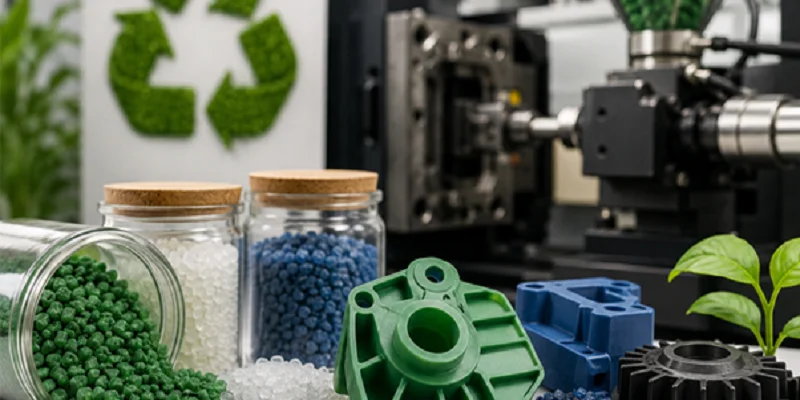
For decades, injection molders lived by one unspoken rule: virgin resin was the only safe bet. Recycled material was seen as a gamble, bio-based polymers as a novelty for eco-conscious startups rather than serious manufacturing. That mindset is fading fast. Rising resin costs, tightening environmental regulations, and customer demand for greener products have pushed sustainable injection molding from a niche experiment into a mainstream manufacturing strategy.
The good news? Today's processors don't have to choose between sustainability and performance. With the right resin selection, processing controls, and mold design adjustments, recycled polymer injection molding and bio-based injection molding can match — and sometimes exceed — the mechanical properties of parts made from virgin plastic.
This article breaks down how manufacturers are making the shift, what materials actually work, and how to avoid the pitfalls that give recycled and bio-based plastics a bad reputation.
| Also Read: Smart Mold Technologies: Digital Twins, Conformal Cooling, and Industry 4.0 in Injection Molding |
Why Sustainable Injection Molding Is No Longer Optional
Plastic manufacturers are facing pressure from every direction. Brand owners want lower carbon footprints. Regulators in the EU, California, and increasingly across Asia are mandating minimum recycled content in packaging and consumer goods. And procurement teams are asking a question that used to be rare: "What's the environmental impact of this part?"
Low carbon injection molding isn't just a marketing checkbox anymore — it's becoming a procurement requirement. Companies that can't answer questions about recycled content or bio-based sourcing risk losing contracts to competitors who can.
The shift also makes economic sense. Resin price volatility has taught manufacturers that relying solely on virgin petroleum-based plastics is a supply chain risk. Diversifying into sustainable molding materials — recycled, bio-based, or blended — gives processors more pricing stability and supply flexibility.
Understanding Recycled Resin Injection Molding
Not all recycled plastic is created equal, and this is where most sustainability efforts either succeed or fail. There are two broad categories worth understanding before specifying recycled resin for injection molding.
Post-Industrial Recycled (PIR) Resin
This material comes from manufacturing scrap — runners, sprues, rejected parts, and trim waste generated during production. Because PIR hasn't been through a consumer use cycle, it's typically cleaner, more consistent, and easier to process than post-consumer material. Many molders already reprocess their own regrind without even labeling it as "sustainable," but formalizing and tracking this practice can support sustainability claims and reduce raw material costs simultaneously.
Post-Consumer Resin (PCR)
Post-consumer resin injection molding uses plastic collected after consumer use — bottles, containers, packaging — that's been cleaned, sorted, and reprocessed into pellet form. PCR is harder to work with because of variability in contamination, color, and polymer degradation from prior use and reprocessing cycles. However, PCR carries far more weight in sustainability reporting and consumer marketing because it demonstrably closes the recycling loop.
The key to successful recycled polymer processing is sourcing from reputable, certified suppliers who provide consistent resin specifications, melt flow index data, and contamination testing. Cheap, unverified recycled resin is where most quality failures originate — not from the concept of recycling itself.
Bio-Based Resins: A Different Kind of Sustainable Material
While recycled resin reuses existing plastic, bio-based resins for injection molding are made partially or entirely from renewable feedstocks like corn starch, sugarcane, castor oil, or cellulose. Common examples include:
- PLA (Polylactic Acid) — derived from corn or sugarcane, popular for rigid, lower-heat applications
- Bio-based PE and PP — chemically identical to their petroleum counterparts but sourced from renewable feedstocks like sugarcane ethanol, meaning they process on standard equipment with standard tooling
- PHA (Polyhydroxyalkanoates) — biodegradable polyesters produced by microbial fermentation, used in specialty and medical applications
- Bio-based nylons and TPUs — increasingly used in automotive and industrial parts requiring higher strength and heat resistance
The major advantage of bio-based PE and PP is drop-in compatibility. Because their molecular structure matches conventional resin, bio-based resin processing typically requires no equipment changes and minimal process adjustment. PLA and PHA, on the other hand, behave differently — they're more heat-sensitive, have narrower processing windows, and often need modified cooling times to avoid warping.
Can Recycled and Bio-Based Materials Really Match Virgin Resin Performance?
This is the question every procurement manager and design engineer asks, and it deserves a direct answer: yes, in most applications, with the right approach.
Material Selection Matters More Than Ideology
Not every part is a good candidate for 100% recycled or bio-based content. High-precision medical components or safety-critical automotive parts may only tolerate a small percentage of recycled or bio-based material blended with virgin resin. Consumer goods, packaging, and non-structural components often tolerate much higher percentages — sometimes 100%.
The smartest approach to sustainable injection molding materials isn't all-or-nothing. It's strategic blending: combining virgin resin with recycled or bio-based content at a ratio that meets both performance specifications and sustainability targets.
Additives and Compatibilizers Close the Performance Gap
Recycled polymers often suffer from slightly reduced molecular weight due to prior thermal cycling, which can affect impact strength and flow characteristics. Compatibilizers, chain extenders, and impact modifiers are widely used to restore mechanical properties in recycled content injection molding, bringing recycled-content parts back in line with virgin resin specifications.
Processing Adjustments Make the Difference
Sustainable polymer processing requires molders to fine-tune parameters that worked fine for virgin resin but need adjustment for recycled or bio-based feedstocks:
- Lower processing temperatures to reduce further thermal degradation of recycled polymer chains
- Adjusted screw speed and back pressure to accommodate variable melt flow in PCR
- Extended or modified cooling times for bio-based resins like PLA, which crystallize differently than petroleum-based plastics
- Moisture control and pre-drying, since many recycled and bio-based resins are more hygroscopic than virgin material
- Tighter mold temperature control to manage shrinkage variability
Molders who treat recycled and bio-based resins exactly like virgin plastic — same settings, same expectations — are the ones who end up with warped parts, inconsistent color, and premature part failure. Those who adjust their process see results comparable to conventional molding.
Common Applications Already Proving This Works
Eco-friendly injection molding isn't theoretical — it's already running on production floors across multiple industries:
- Packaging and consumer goods: Bottle caps, containers, and dispensers routinely use high percentages of PCR without any performance compromise
- Automotive interior components: Door panels, trim, and under-hood parts increasingly use bio-based nylons and recycled PP blends
- Electronics housings: Recycled ABS and PC blends are used in enclosures where cosmetic finish and impact resistance both matter
- Furniture and outdoor products: Recycled HDPE and PP are standard in outdoor furniture, planters, and storage products due to their UV and weather resistance
How to Start Implementing Sustainable Injection Molding
For manufacturers considering the shift, a gradual, tested approach works best:
- Audit current parts to identify which are good candidates for recycled or bio-based content based on load requirements, aesthetic needs, and regulatory tolerance.
- Request resin data sheets and certifications from suppliers, including melt flow index, tensile strength, and recycled content verification (look for certifications like ISCC PLUS or SCS Global).
- Run small-batch trials before committing to full production runs, testing shrinkage, warpage, and mechanical properties against your existing specs.
- Adjust tooling if needed — venting and gate design sometimes need minor tweaks for materials with different flow characteristics.
- Document the sustainability impact for marketing and compliance purposes, since traceable recycled or bio-based content is increasingly required for regulatory reporting.
Frequently Asked Questions
Does recycled resin injection molding cost less than virgin resin?
It depends on the resin type and market conditions, but PIR and PCR are often priced below virgin resin, especially during periods of high petroleum costs. Bio-based resins can sometimes cost more upfront but often offset that through marketing value and regulatory compliance savings.
Can bio-based plastics be used for structural parts?
Yes, particularly bio-based PP, PE, and nylon, which share the same molecular structure as their petroleum-based counterparts. PLA and PHA are better suited to lower-load, lower-heat applications unless reinforced with additives.
Is 100% recycled content always achievable?
Not always. High-performance or safety-critical parts often require blending recycled content with virgin resin to meet mechanical specifications, typically ranging from 25% to 75% recycled content depending on the application.
What's the biggest mistake manufacturers make with sustainable materials?
Treating recycled or bio-based resin identically to virgin resin in the molding process. Without adjusting temperature, drying, and cooling parameters, part quality suffers — which unfairly damages the reputation of sustainable materials that would otherwise perform well.
The Bottom Line
Sustainable injection molding has moved past the point of being a compromise. With careful resin sourcing, the right additives, and process adjustments tailored to recycled and bio-based materials, manufacturers can hit sustainability targets without sacrificing part performance, durability, or cosmetic quality. The molders who invest the time to understand these materials now will be the ones best positioned as recycled content mandates and carbon reporting requirements continue to tighten across every major manufacturing region.
 Media Pack Download
 Newsletters
 Industrial Events