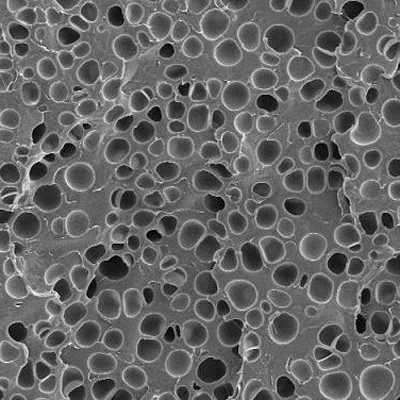
Pushing Boundaries: The Latest in Plastics Technology Innovations

Plastics technology continues to evolve rapidly, driven by innovation and the pursuit of more sustainable, efficient, and versatile materials. From traditional polymers to advanced composites and bioplastics, the field of plastics is witnessing groundbreaking developments that promise to reshape industries ranging from healthcare to aerospace. This article explores some of the latest innovations in plastics technology, highlighting their applications, benefits, and potential future impact.
1. Advanced Composite Materials
One of the most exciting developments in plastics technology is the emergence of advanced composite materials. These materials combine traditional polymers with reinforcements such as carbon fibers, glass fibers, or nanoparticles to enhance strength, stiffness, and durability. Advanced composites are increasingly used in industries where high-performance materials are essential, including aerospace, automotive, and sports equipment manufacturing.
|
Also Read: Plastics Technology 2.0: Breakthroughs in Sustainable and Advanced Materials |
Applications: In aerospace, advanced composites are revolutionizing aircraft design by reducing weight while maintaining structural integrity. Companies like Boeing and Airbus are incorporating carbon fiber reinforced plastics (CFRP) into aircraft components, leading to more fuel-efficient planes and reduced environmental impact.
Benefits: The use of advanced composites offers several advantages, including lower fuel consumption, improved corrosion resistance, and enhanced design flexibility. These materials also contribute to overall cost savings through reduced maintenance and longer service life compared to traditional metals.
Future Outlook: As research continues into novel reinforcement materials and manufacturing techniques, the cost-effectiveness and scalability of advanced composites are expected to improve further. This trend could potentially expand their use into new applications such as renewable energy infrastructure and medical devices.
2. Biodegradable and Sustainable Plastics
With increasing environmental concerns, there has been a significant push towards developing biodegradable and sustainable plastics. These materials are designed to break down more easily in natural environments or are sourced from renewable resources, offering a greener alternative to conventional plastics derived from fossil fuels.
Applications: Biodegradable plastics are finding applications in packaging, agriculture, and consumer goods where reducing environmental impact is critical. Companies are developing bioplastics from renewable sources such as corn starch, sugarcane, and algae, aiming to create a closed-loop system that minimizes waste and resource depletion.
Benefits: The main advantage of biodegradable and sustainable plastics is their reduced environmental footprint. They help mitigate plastic pollution in oceans and landfills while offering similar performance characteristics to traditional plastics in terms of durability and versatility.
Future Outlook: As consumer demand for eco-friendly products grows, the market for biodegradable plastics is projected to expand significantly. Innovations in polymer chemistry and biotechnology will likely lead to the development of new materials with enhanced properties and broader applications across various industries.
3. Additive Manufacturing (3D Printing) of Plastics
Additive manufacturing, commonly known as 3D printing, has revolutionized the production of plastic components by enabling rapid prototyping and on-demand manufacturing. This technology builds objects layer by layer from digital designs, offering design freedom and cost-effective customization that traditional molding processes cannot match.
Applications: Industries such as healthcare, automotive, and consumer electronics are leveraging 3D printing for creating complex geometries, custom medical implants, lightweight automotive parts, and personalized consumer products. The ability to use a wide range of plastic materials in 3D printing, including high-performance polymers and elastomers, enhances its versatility.
Benefits: 3D printing reduces material waste, shortens production cycles, and allows for the creation of intricate designs that optimize functionality and performance. It also supports localized manufacturing, which can lower transportation costs and carbon emissions associated with global supply chains.
Future Outlook: Advances in 3D printing technology are focusing on improving print speeds, enhancing material properties, and scaling up production capabilities. As the technology matures, it is expected to play a larger role in mass production applications, driving innovation across industries and enabling new business models.
4. Smart Plastics and Functionalized Polymers
Smart plastics incorporate responsive elements such as sensors, actuators, and self-healing mechanisms into polymer matrices, enabling them to adapt to environmental changes or perform specific functions autonomously. These functionalized polymers are paving the way for intelligent materials that can sense, actuate, and communicate information in real-time.
Applications: In healthcare, smart plastics are used in medical devices that monitor patient health metrics or deliver targeted therapies. In infrastructure, self-healing polymers are being explored for extending the lifespan of roads and bridges by repairing cracks autonomously. Functionalized polymers also find applications in electronics, where they enable flexible displays and wearable sensors.
Benefits: The integration of smart functionalities into plastics enhances product performance, reliability, and user interaction. Self-healing materials reduce maintenance costs and extend service life, while sensors embedded in polymers enable real-time data collection and analysis for improved decision-making.
Future Outlook: Continued research into nanotechnology and materials science is expected to unlock new capabilities for smart plastics, such as enhanced sensitivity, biocompatibility, and environmental responsiveness. These advancements could lead to the development of intelligent materials that revolutionize various sectors, from healthcare to infrastructure and beyond.
Conclusion
The field of plastics technology is at a transformative stage, driven by innovation, sustainability goals, and technological advancements. From advanced composites and biodegradable plastics to additive manufacturing and smart materials, the landscape of plastics is evolving rapidly. These innovations not only address current challenges in material performance and environmental impact but also open up new possibilities for industries seeking to push the boundaries of what is possible with plastics.
As research and development efforts continue to expand, the future of plastics technology looks promising, with potential applications across diverse sectors and a growing emphasis on sustainability and efficiency. By embracing these innovations, industries can not only enhance product performance and competitiveness but also contribute to a more sustainable and resilient global economy.
 Media Pack Download
 Newsletters
 Industrial Events