The Future of Biodegradable Plastics: Myths vs. Facts
The global plastic waste crisis grows increasingly severe because millions of tons of plastic waste continue to accumulate throughout landfills, marine environments and natural habitats. Biodegradable plastics gained popularity for addressing harmful effects of traditional plastics while the environmental challenge continues to grow. Biodegradable plastics face widespread myths among consumers and policymakers even though their industrial use continues to rise. This research examines widespread misinterpretations about biodegradable plastics to establish their factual performance and function for future sustainable waste management systems.
Understanding Biodegradable Plastics
Biodegradable plastics feature engineered structures that microbes convert into water and carbon dioxide and biological materials. The aim of biodegradable plastics lies in reducing environmental existence beyond conventional plastic degradation times. Actual performance alongside environmental effects and extent of scalability proves difficult to predict even though biodegradable plastics receive much public attention.
Myths vs. Facts about Biodegradable Plastics
Myth 1: All Biodegradable Plastics Break Down Completely
Fact: All biodegradable plastics do not degrade totally nor efficiently because certain areas lack the environmental conditions needed for complete decomposition. The achievement of biodegradation requires particular environmental confines including elevated temperatures combined with regulated humidity and the existence of particular microorganisms which are usually limited to industrial composting facilities. Popular bioplastic polylactic acid (PLA) requires temperatures higher than 50°C to undergo decomposition. Natural environments like oceans and soil make these plastics stay intact for many years while they produce additional environmental problems instead of solving the pollution issue.
Myth 2: Biodegradable Plastics Are Automatically Eco-Friendly
Fact: The manufacturing process of biodegradable plastics lacks sustainability characteristics at its core. Manufacturing biodegradable plastics requires extensive water usage along with substantial energy. Loosely derived biodegradable plastic raw materials sourced from crops like sugarcane and corn affect land management practices and create competition for agricultural food production. All environmental impacts caused by these products need comprehensive evaluation.
Myth 3: Biodegradable Plastics Solve the Plastic Waste Problem
Fact: The sustainability potential of biodegradable plastics remains limited because they provide solutions to address just a few aspects of the wider plastics waste problem. At landfills the absence of composting conditions prevents these plastics from breaking down effectively despite inadequate waste management systems. Any successful sustainable waste management approach requires both plastic recycling systems and decreased plastic product usage.
Myth 4: Biodegradable Plastics Decompose in Oceans
Fact: Very few biodegradable plastics exhibit effective degradation when submerged in marine environments. These materials survive extended periods because seawater conditions remain too cold for industrial compost processing to occur and therefore threaten ocean organisms. Marine biodegradable promises are frequently exaggerated or misunderstood by consumers.
Myth 5: Biodegradable and Compostable Are the Same
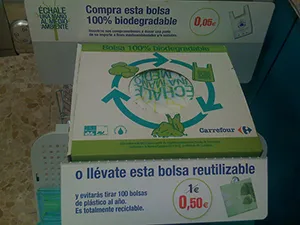
Fact: Carbon-based materials labeled biodegradable and compostable constitute different waste degradation types. Plastics designed for composting need to decompose into discrete natural components that meet specifications for both industrial and home composting systems. The decomposition process of biodegradable plastics extends beyond standard times yet generates leftovers that might create health problems after decomposition.
The Role of Biodegradable Plastics in the Future
Biodegradable plastics possess moderate potential for ecological waste management systems although they fail to act unambiguously as a definitive solution. Here are key areas where their future impact can be realized:
1. Innovations and Research
The biodegradable plastics shows growing momentum as scientists together with companies embrace evolving materials and technological improvements. Innovations include:
• Algae-Based Plastics: Plastics derived from renewable resources show higher speed of breakdown and lower CO2 impact than traditional petroleum-based products.
• Microbial Solutions: Science has created engineered bacteria which produce environmentally friendly plastics while efficiently eliminating prevalent plastic waste.
• Enzyme-Based Degradation: Scientific teams research enzyme solutions that speed up plastic degradation as a means to combat the harmful effects of microplastics.
2. Regulations and Standards
Biodegradable plastics need standardized labeling protocols to succeed worldwide. Lawmakers need to create standards which distinguish biodegradable products from compostable and recyclable plastics for public and industrial consumers to select appropriate choices. For instance:
• Mandatory Certification: Governments through regulations should implement certification systems which prove biodegradable plastics can function properly based on defined settings.
• Bans on Misleading Claims: Driven by strict regulatory measures producers face penalties when they practice greenwashing or make false statements about biodegradability.
3. Consumer and Industry Roles
The successful adoption of biodegradable plastics requires active participation from both consumers and industries:
• Consumer Awareness: Public education about suitable disposal practices combined with clear biodegradable plastic limitations will help stop incorrect use of these materials.
• Industry Leadership: Companies need to practice environmental sustainability by implementing biodegradable plastics across their supply networks while cutting back on disposable product usage.
Challenges Facing Biodegradable Plastics
Despite their potential, biodegradable plastics face several obstacles:
1. High Production Costs
Production costs for biodegradable plastics exceed those of common plastic products in most cases. The high production costs function as a major obstacle to achieving widespread market adoption mainly because price-sensitive markets resist investment in these products.
2. Limited Infrastructure
Industrial composting facilities in many regions cannot efficiently process biodegradable plastics because the needed facilities are absent. The materials lose their intended environmental benefits when users cannot access proper facilities to enable their expected degradation process.

3. Contamination in Recycling Streams
Introducing biodegradable plastics into conventional plastic recycling operations creates contamination which leads to reduced quality in the end recycled materials. The proper sorting and disposal systems must exist to avoid this problem.
4. Microplastics and Residues
Because of degradation mechanisms some biodegradable plastics transform into microplastics while producing residues that potentially endanger both ecological systems and human wellness. The resolution of this problem demands additional research followings accompanied by developmental work.
How to Maximize the Potential of Biodegradable Plastics
To ensure biodegradable plastics contribute meaningfully to sustainability, a multifaceted approach is necessary:
1. Encourage Innovation
Public and governmental organizations need to support funding projects aiming to develop lightweight cost-effective environmentally critical biodegradable materials.
2. Strengthen Waste Management Systems
Building and upgrading industrial composting facilities is essential to process biodegradable plastics effectively. Additionally, integrating biodegradable plastics into circular economy models can improve their lifecycle sustainability.
3. Promote Policy Changes
Policymakers must enact laws to:
• Banning single-use plastics remains a possibility whenever implementation proves effective.
• Certain industries must use narrowing choices to biodegradable and compostable alternatives through mandatory requirements.
• Public and private entities should receive financial incentives for sustainable material adoption by providing tax benefits together with direct subsidies are feasible.
4. Raise Public Awareness
Successful long-term outcomes in plastic waste reduction depend on meaningful consumer education efforts about proper biodegradable plastic disposal alongside universal plastic usage minimization.
• Differentiating between biodegradable and compostable plastics represents one of the goals.
• The initiative emphasizes both plastic decrease across consumption levels.
• Ban single-use plastics where feasible.
Conclusion
Biodegradable plastics offer hope because they show promise to diminish the environmental hazards created by plastic waste. Their successful deployment requires resolving major obstacles related to cost and infrastructure limitations and public misperceptions of biodegradable plastics. In order to take advantage of biodegradable plastics' environmental benefits we need to educate the public properly and eliminate false beliefs about the technology so it can play a role in ending plastic waste problems. The meaningful contribution of biodegradable plastics to sustainability requires continued government partnerships with consumer participation along with industrial support.
The battle against plastic waste depends on biodegradable plastics to function as essential tools while they fail to serve as the final solution. The successful application of biodegradable materials in future sustainability requires united innovation alongside governance controls and educational efforts.
 Media Pack Download
 Newsletters
 Industrial Events