Which Industries Rely Most On Plastic? A Deep Dive

Introduction
The extensive use of plastic stretches into every aspect of daily routines and powers modern industrial processes throughout the world. Its indispensable nature stems from the fact that plastic protects food through packaging and functions as vital medical equipment due to its versatility combined with durability and affordable cost. The majority of industries depend on plastic as an essential operational component yet which sectors consume the most amounts of plastic remains undisclosed. Each sector dependent on plastic will receive examination along with an analysis of its future utilization.
1. Packaging Industry: The Largest Consumer of Plastic
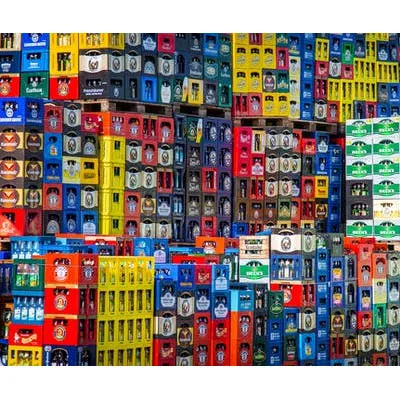
Global plastic packaging consumption reaches approximately 40% of total plastics usage in the market. Plastic serves as a leading material due to its lightweight nature alongside its durability as well as cost-effectiveness in the market.

- Food and Beverage Packaging: The packaging of food and beverages depends on plastic materials to deliver extended safety and protect against contamination.
- Pharmaceuticals: Protecting medicines from moisture, light, and bacteria.
- E-commerce and Retail: The delivery safety of products through e-commerce and retail operations relies heavily on bubble wraps together with plastic films and containers.
| Packaging Type | Plastic Used | Why Plastic? |
| Bottles & Containers | PET, HDPE, PP | Lightweight, shatterproof |
| Flexible Packaging | LDPE, LLDPE | Cost-effective, moisture-proof |
| Wrapping Films | PVC, PP | Durable, stretchable |
What’s next?
The packaging industry works to decrease its carbon emissions by developing three main solutions including the use of biodegradable plastics and recycled polymers and reusable packaging.
2. Automotive Industry: Driving Performance with Plastics
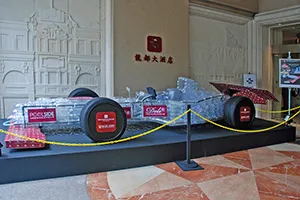
Plastics make up fifty percent of modern automobiles by volume yet weigh only ten percent of the total vehicle which leads to weight reduction and better fuel efficiency. Plastics serve an essential part in the following processes:
- Vehicle Interiors: Dashboard, seats, and trims.
- Under-the-Hood Components: Fuel tanks, engine covers, and battery casings.
- Exterior Parts: Bumpers, headlights, and side mirrors.
| Automotive Component | Plastic Type Used | Advantage |
| Dashboard & Interiors | ABS, PP, PVC | Lightweight, aesthetic |
| Fuel System Parts | HDPE, POM | Corrosion-resistant |
| Electrical Components | Nylon, Polycarbonat | Heat-resistant, insulating |
What’s next?
The automotive sector is adopting sustainable plastics combined with composites because these materials enhance performance and recycling properties and help reduce dependence on fossil fuels in plastics production.
3. Healthcare & Medical Industry: Life-Saving Applications

Through medical transformation plastic has created sterilized cost-efficient disposable solutions for the healthcare field. It is crucial in:
- Medical Equipment: Syringes, IV tubes, and catheters.
- Prosthetics & Implants: Lightweight and biocompatible materials.
- Pharmaceutical Packaging: Ensuring drug safety and stability.
| Medical Product | Plastic Used | Key Benefit |
| IV Bags & Tubing | PVC | Flexible, sterile |
| Surgical Gloves | Nitrile, Latex | Barrier protection |
| Artificial Joints & Implants | UHMWPE | Biocompatible |
What’s next?
The healthcare industry promotes sustainable patient care through rising biodegradable medical plastics together with 3D-printed prosthetic devices.
4. Construction Industry: Strength and Versatility
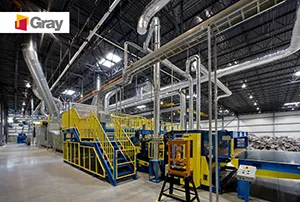
Construction benefits from plastics because they enable longer-lasting performance as well as better thermal insulation and economical construction practices. Common applications include:
- Pipes & Fittings: PVC pipes dominate due to their resistance to corrosion.
- Insulation Materials: Polystyrene foams help in thermal insulation.
- Flooring & Roofing: Vinyl and polycarbonate are preferred due to durability.
| Construction Application | Plastic Type Used | Advantage |
| Plumbing Pipes | PVC, CPVC | Rust-proof, lightweight |
| Window Frames | uPVC | Weather-resistant |
| Insulation Panels | Polystyrene, PU | Thermal efficiency |
What’s next?
The construction industry is now progressing to reuse plastic composites together with green building materials to build sustainable and efficient infrastructure.
5. Electronics & Electrical Industry: Powering Modern Technology
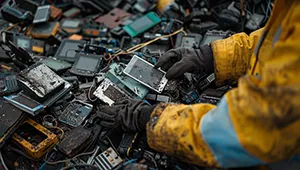
Plastics serve critical functions in electric devices because they maintain insulation while maintaining light weight.
- Casing for Devices: Laptops, TVs, and smartphones are encased in durable plastic.
- Circuit Components: Printed circuit boards (PCBs) use polymer-based substrates.
- Wire Insulation: Prevents electrical shocks and enhances durability.
| Electronic Component | Plastic Used | Benefit |
| Laptop & Phone Casings | ABS, Polycarbonate | Impact-resistant |
| Wire Insulation | PVC, Teflon | Non-conductive |
| Connectors & Sockets | Nylon, PBT | Heat-resistant |
What’s next?
The industry increases investment in eco-friendly packaging elements alongside biodegradable plastics and recycled polymers in order to decrease environmental impact during the rise of e-waste.
6. Textile & Fashion Industry: The Synthetic Revolution
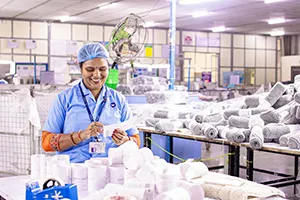
The fashion industry incorporates plastic substances for creating polyester materials as well as synthetic leather products. Key applications include:
- Synthetic Fibers: Polyester, nylon, and acrylic dominate clothing production.
- Footwear & Accessories: EVA soles, plastic zippers, and synthetic handbags.
- Outdoor Gear: Waterproof and weather-resistant fabrics.
| Fashion Product | Plastic Used | Reason |
| Sportswear Fabrics | Polyester | Quick-drying |
| Handbags & Shoes | PU Leather | Durable, stylish |
| Raincoats & Jackets | Nylon | Water-resistant |
What’s next?
Sustainability has become popular so companies choose to use recycled PET fabrics and also implement biodegradable synthetic materials into their products.
7. Agriculture Industry: Enhancing Productivity

Agricultural producers extensively use plastic materials to improve production levels and operational efficiency.
- Greenhouse Films: Protect plants from weather fluctuations.
- Drip Irrigation Systems: Made from LDPE and HDPE for water conservation.
- Mulch Films: Control weeds and retain soil moisture.
What’s next?
Companies develop biodegradable mulch films along with recycled plastic irrigation systems because they aim to decrease environmental impacts.
8. Aerospace Industry: Lightweight and High-Performance

- Cabin Interiors: Seats, panels, and storage compartments.
- Aircraft Windows: Polycarbonate for impact resistance.
- Structural Components: Composite plastics improve aerodynamics.
What’s next?
Upcoming aerospace designs utilize high-performance polymers as well as carbon-fiber composites to achieve greater operational effectiveness.
Conclusion: Is Plastic’s Dominance Unshakable?
Plastic functions essentially within modern industries for food preservation along with supporting technological advancements. Various industrial entities now pursue sustainable plastic solutions including the use of biodegradable materials together with recycling practices and biomass-based polymers due to rising plastic contamination concerns.
The primary task now is to determine how the advantages of plastic can remain intact while preventing environmental damage. Plastic's future development will depend on three primary elements which include technological advancement and regulatory standards together with increased public awareness between them these forces will drive commercial operations to choose sustainable smarter solutions.
What do you think? The effectiveness of plastic in industries depends on if new green solutions will emerge to guarantee sustainable production.
 Media Pack Download
 Newsletters
 Industrial Events